Dog Harness Bulk Order: What Changes in Quality, Cost, and Consistency at Scale
Summary
Moving from small orders to bulk dog harness sourcing is a structural shift rather than a simple increase in quantity. At scale, production consistency, material control, and coordination discipline become the dominant factors affecting product performance and cost efficiency. A well-managed bulk order program enables brands to stabilize quality while optimizing pricing and reducing operational risk.
Problem Insight: Why Bulk Orders Often Create Unexpected Issues
Scaling Exposes Hidden Inconsistencies
In small-batch orders, minor variations in sizing, materials, or stitching may go unnoticed. When production scales to bulk volumes, these variations multiply across units, making inconsistencies highly visible.
This often leads to sudden increases in return rates and customer complaints after brands expand order quantities.
Cost Optimization Can Introduce Risk
Bulk orders are typically associated with cost reduction. However, uncontrolled cost adjustments—such as material substitution or reduced reinforcement—can negatively impact product performance.
Without structured control, attempts to reduce unit cost often result in higher total cost due to returns and replacements.
Technical Breakdown: What Defines a Stable Bulk Order Program
Consistent Sizing and Tolerance Control
Bulk production requires fixed sizing specifications and controlled tolerances across all units. Measurement consistency ensures that products from different batches deliver the same fit performance.
Stable sizing systems reduce fit-related complaints and simplify inventory management.
Material Standardization Across Production Runs
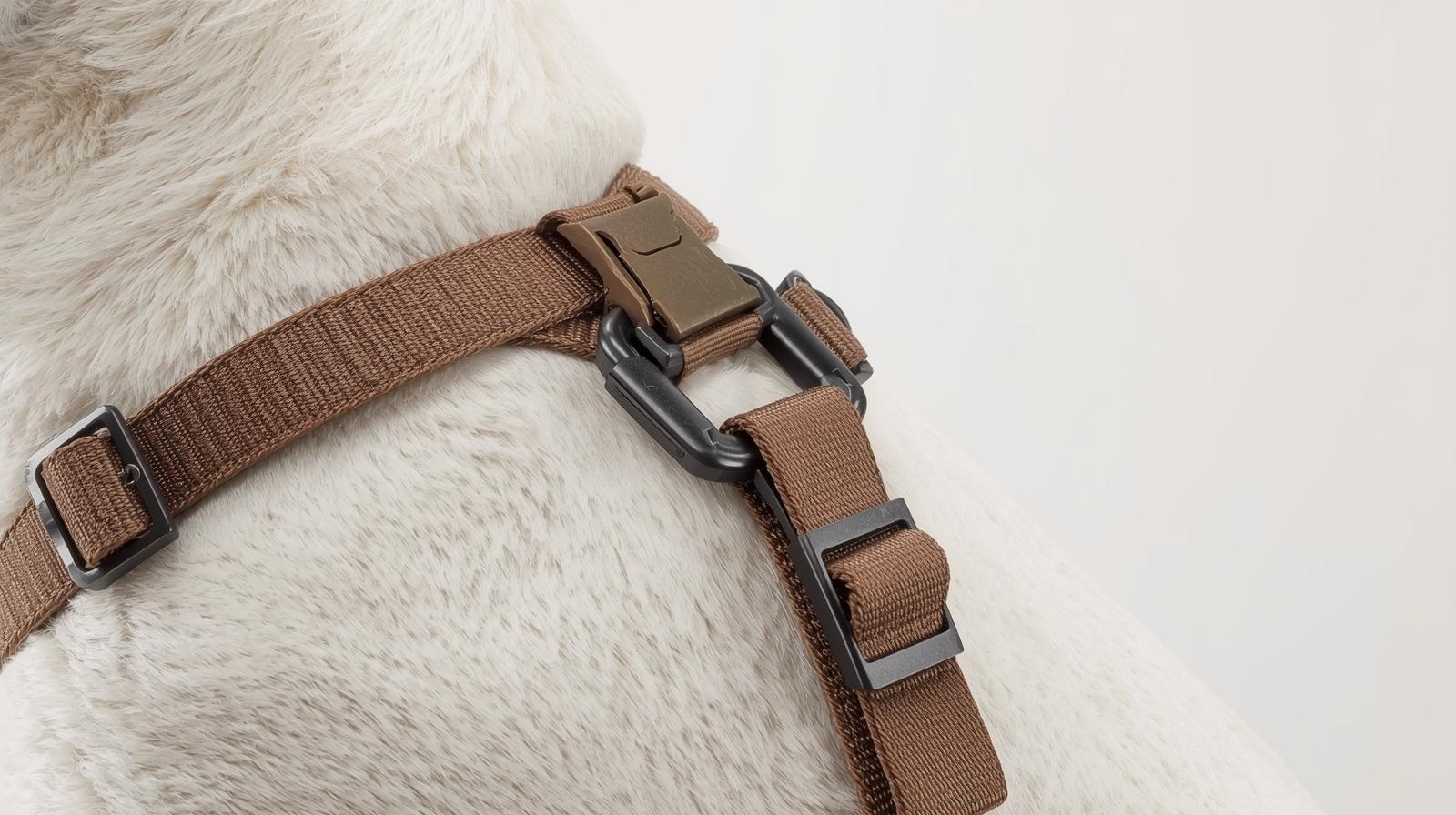
In bulk programs, maintaining the same material specifications across all units is critical. Changes in webbing, padding, or hardware can introduce performance differences even if the product looks identical.
Professional suppliers lock material specifications and ensure traceability throughout production.
Repeatable Production and Quality Control Processes
Consistency in bulk orders depends on standardized production workflows and defined quality control checkpoints. These processes ensure that each unit meets the same performance standards.
This reduces variability and improves overall product reliability.
Market Comparison: Small Orders vs Bulk Order Programs
| Operational Metric | Small Orders | Bulk Order Programs |
|---|---|---|
| Impact of variation | Limited | Amplified |
| Cost per unit | Higher | Reduced |
| Consistency requirement | Moderate | Critical |
| Quality control complexity | Low | High |
| Return risk | Manageable | Significant if uncontrolled |
| Supply chain coordination | Basic | Structured and necessary |
Bulk ordering transforms consistency from a preference into a requirement.
Differentiation by Order Scale and Market Needs
Trial Orders and Product Testing
Small orders are typically used for testing product design, market response, and initial fit performance. Flexibility is more important than strict control at this stage.
Bulk Orders for Market Expansion
Bulk orders support large-scale distribution across multiple channels and markets. At this stage, stability, repeatability, and supply reliability become the primary priorities.
Structural Strategies That Improve Bulk Order Performance
Locking Specifications Before Scaling
Before moving to bulk orders, it is critical to finalize and lock product specifications. This prevents unintended changes during production.
Balancing Cost Efficiency with Performance Stability
Cost optimization must be managed within controlled parameters. Maintaining material and structural integrity ensures that cost savings do not compromise product performance.
FAQ: Practical Questions from Buyers
Q: Why do issues appear after switching to bulk orders?
A: Because small inconsistencies become amplified across larger production volumes.
Q: Can bulk orders maintain the same quality as samples?
A: Yes, if specifications and production processes are strictly controlled.
Q: Does ordering in bulk always reduce total cost?
A: Only when quality remains consistent and return-related losses are minimized.
Conclusion: Bulk Order Success Depends on Controlled Scaling
Dog harness bulk orders require more than increased production capacity—they require structured control over specifications, materials, and manufacturing processes. Without these controls, scaling introduces risk rather than efficiency.
As a specialized supplier supporting dog harness bulk order programs, Sixpet provides controlled production systems, consistent materials, and repeatable quality standards, helping brands scale confidently while maintaining product reliability.
If you’d like to explore our bulk order dog harness solutions and production capabilities, you can visit our official website:
👉 https://www.sixpet.com/
If you are planning a bulk order or OEM program and want to discuss specifications, cost optimization, or production timelines, our team is ready to support you directly:
👉 https://www.sixpet.com/contact-us