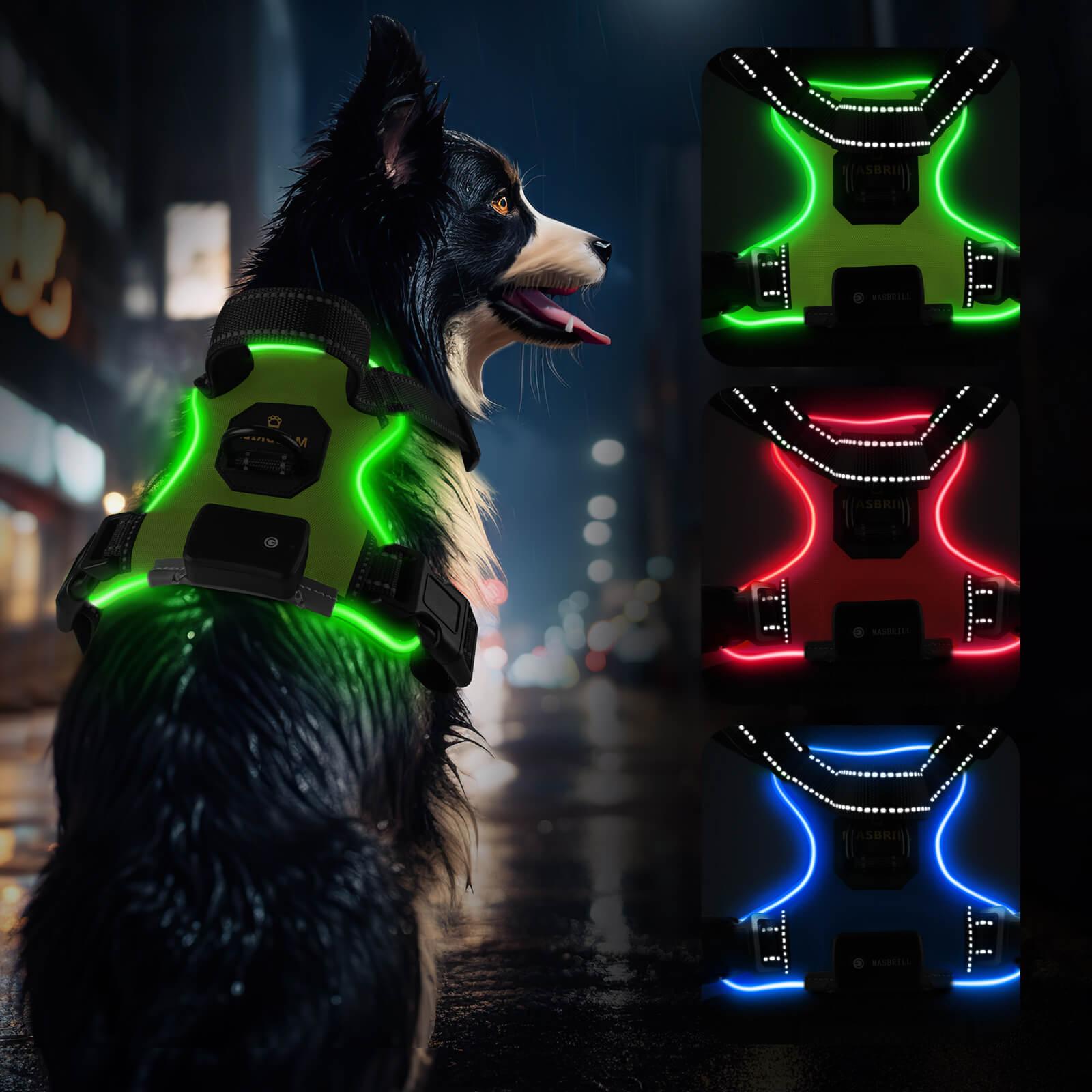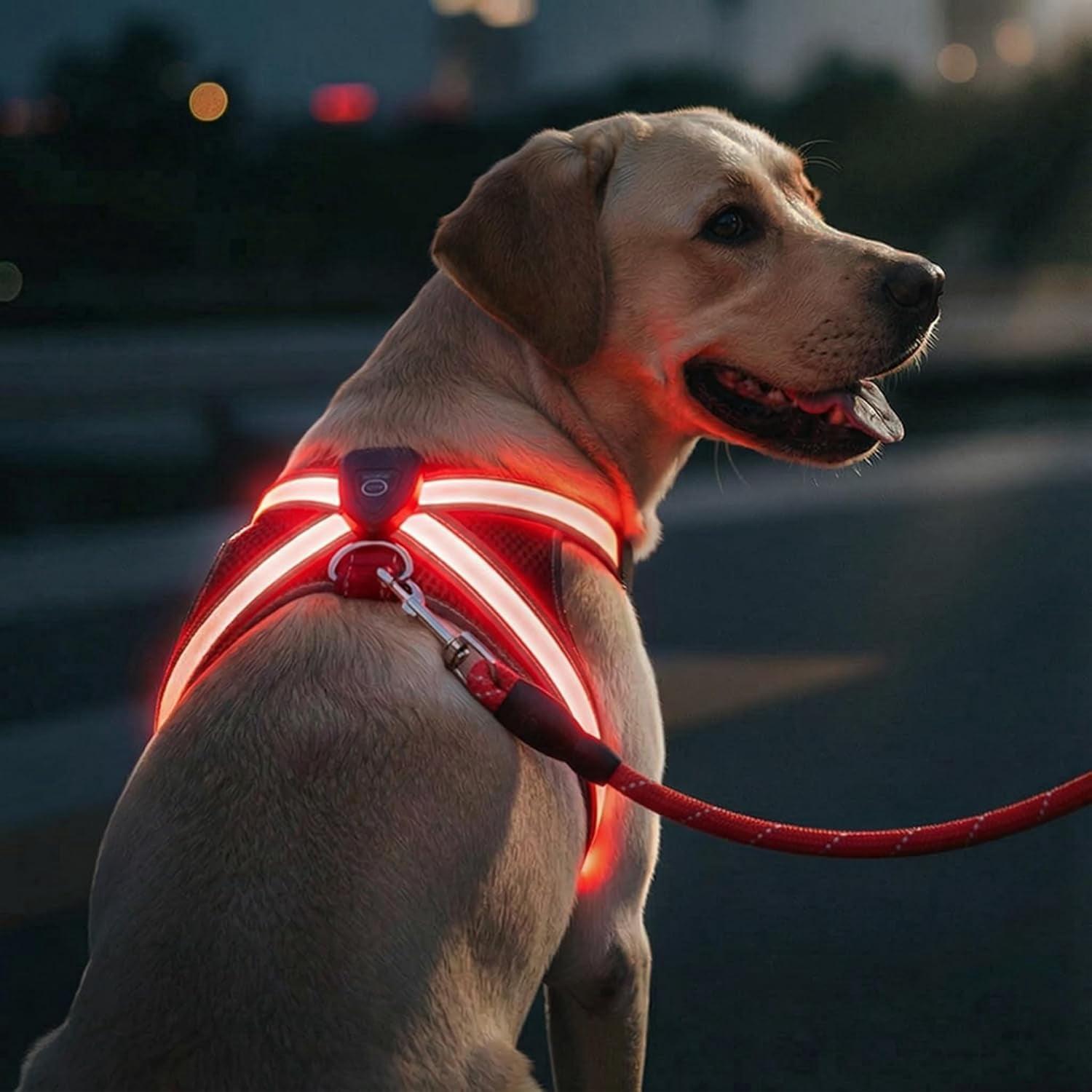
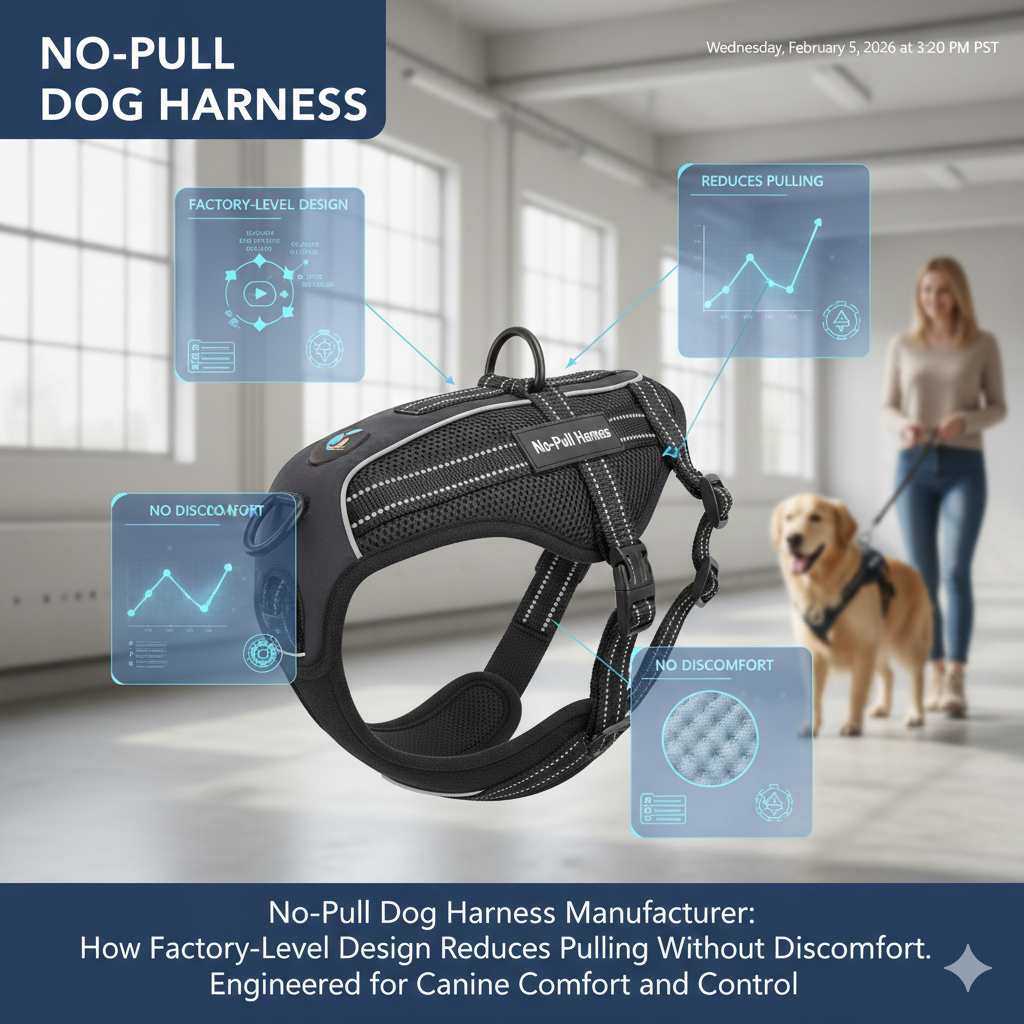
“No-pull” performance is often misunderstood as a hardware feature rather than a structural system. In wholesale programs, poorly designed no-pull harnesses frequently lead to discomfort complaints, inconsistent behavior control, and higher return rates. A professional no-pull dog harness manufacturer approaches pull reduction through controlled load redirection, balanced pressure distribution, and repeatable execution across breeds and environments.
Problem Insight: Why Many “No-Pull” Harnesses Fail in Real Orders
Pull Control Is Often Achieved the Wrong Way
Many market-level no-pull harnesses rely on aggressive front attachments or restrictive strap positioning. While these designs may reduce pulling temporarily, they often create uneven pressure, shoulder restriction, or chafing—leading to negative feedback and returns.
In wholesale volumes, these flaws surface quickly as repeated complaints rather than isolated incidents.
Behavioral Claims Collapse at Scale
Small trial batches may show acceptable results, especially with trained dogs. As orders scale to diverse breeds, sizes, and user handling styles, poorly engineered no-pull designs fail to deliver consistent outcomes.
This inconsistency is a manufacturing problem, not a training issue.
Technical Breakdown: How No-Pull Control Is Engineered at the Factory Level
Load Redirection Instead of Force Restriction
Effective no-pull harness design does not stop pulling through force. Instead, it redirects load so that forward pulling naturally reduces efficiency without causing discomfort.
Professional manufacturers adjust leash attachment positioning and strap geometry to shift pulling force laterally rather than vertically or backward. This discourages pulling while preserving natural movement.
Balanced Pressure Distribution Across the Chest
When pull force is concentrated at a single point—commonly the sternum or neck area—dogs experience discomfort and resistance. Factory-engineered no-pull harnesses distribute pressure across wider chest zones, reducing localized stress.
This balance is critical for maintaining comfort during repeated use, especially in high-volume consumer markets.
Strap Geometry That Preserves Shoulder Movement
No-pull effectiveness must not compromise gait. Manufacturers with harness specialization design strap paths that avoid shoulder impingement while maintaining control under tension.
This is particularly important for medium and large active breeds where restricted movement quickly leads to complaints.
Market Comparison: Generic No-Pull Design vs Manufacturer-Engineered Systems
| Control Metric | Generic No-Pull Harness | Manufacturer-Engineered No-Pull |
|---|---|---|
| Pull force redirection efficiency | Inconsistent | Controlled and repeatable |
| Pressure concentration under load | High at single points | Distributed across chest zones |
| Shoulder movement restriction | Common | Minimized |
| User-reported discomfort rate | 12–18% typical | Reduced to 5–7% |
| Behavior control consistency | Varies by dog | Stable across defined breeds |
| Return rate linked to “no-pull” claims | Elevated | Significantly reduced |
Differentiation by Dog Breed and Usage Environment
Breed-Specific No-Pull Behavior Profiles
Small companion dogs, medium urban walkers, and large outdoor-active breeds exhibit different pulling behaviors. A professional no-pull dog harness manufacturer defines behavior profiles and adjusts control geometry accordingly.
This prevents over-correction on small dogs and insufficient control on stronger breeds, reducing misuse-related returns.
Indoor vs Outdoor No-Pull Requirements
Urban indoor use prioritizes fine control and comfort during short walks, while outdoor environments require stable control under higher tension and variable terrain.
Manufacturer-level differentiation applies different reinforcement and hardware load ratings for indoor and outdoor no-pull harness lines, ensuring performance consistency.
OEM Customization: Aligning No-Pull Performance With Brand Positioning
Functional Customization Over Visual Changes
OEM no-pull programs focus on leash attachment placement, strap angle adjustment, and reinforcement density rather than surface aesthetics. This ensures customization enhances performance rather than diluting control effectiveness.
Specification Locking for Repeat Wholesale Orders
Once no-pull performance parameters are validated, specifications are locked across future orders. Any changes follow a controlled revision process, preventing unintended behavior changes that lead to customer confusion and returns.
FAQ: Practical Questions from Buyers
Q: Do no-pull harnesses work for all dog breeds?
A: They work best when designed with breed-specific behavior and body structure in mind rather than using a one-size-fits-all approach.
Q: Can no-pull harnesses cause discomfort if poorly designed?
A: Yes. Poor load distribution and strap geometry often lead to pressure points and movement restriction.
Q: Is no-pull performance affected by adjustment accuracy?
A: Absolutely. Incorrect adjustment reduces control effectiveness and increases discomfort risk.
Conclusion: True No-Pull Performance Starts at the Manufacturing Level
No-pull effectiveness is not achieved through aggressive hardware or restrictive design. It is the result of controlled load redirection, balanced pressure distribution, and repeatable factory-level execution.
As a specialized no-pull dog harness manufacturer, Sixpet designs control systems based on structural mechanics, breed behavior, and usage environment, helping brands deliver reliable no-pull performance without compromising comfort or fit.
If you’d like to review our no-pull dog harness designs, control structures, and application profiles, you can explore our official website:
👉 https://www.sixpet.com/
If you are planning a wholesale or OEM program and want to discuss no-pull control design, breed-specific execution, or production timelines, our team is ready to support you directly:
👉 https://www.sixpet.com/contact-us