Padding is often treated as a cosmetic comfort feature, but in wholesale dog harness programs, it is a structural component that directly influences fit stability, pressure distribution, and long-term performance. A professional padded dog harness factory designs padding as part of an integrated system, reducing comfort-related complaints and return costs as volume scales.
Problem Insight: Why Padding Becomes a Hidden Risk at Scale
Comfort Complaints Rarely Come from “Too Little Padding”
In real wholesale feedback, most comfort-related returns are not caused by insufficient padding, but by incorrect padding behavior. Overly soft padding collapses under load, while overly stiff padding creates pressure points, especially around the chest and shoulder areas.
At small volumes, these issues appear sporadically. At wholesale scale, they repeat across batches and SKUs, becoming a predictable source of returns.
Padding Inconsistency Across Batches Drives Returns
Many general suppliers change padding foam density or fabric lamination methods to manage cost or availability. Even minor changes alter compression recovery and breathability, leading to noticeable differences in wear comfort.
Without factory-level padding control, brands often receive “same product, different feel” complaints that are difficult to resolve after delivery.
Technical Breakdown: What Defines Professional Padding at the Factory Level
Padding Density and Thickness Control
A padded dog harness factory controls padding through defined density ranges (kg/m³) and thickness tolerances (mm). These parameters determine how padding distributes load and recovers after repeated use.
Stable programs typically limit thickness variation to narrow tolerances to ensure consistent comfort across production runs.
Pressure Distribution Through Structural Integration
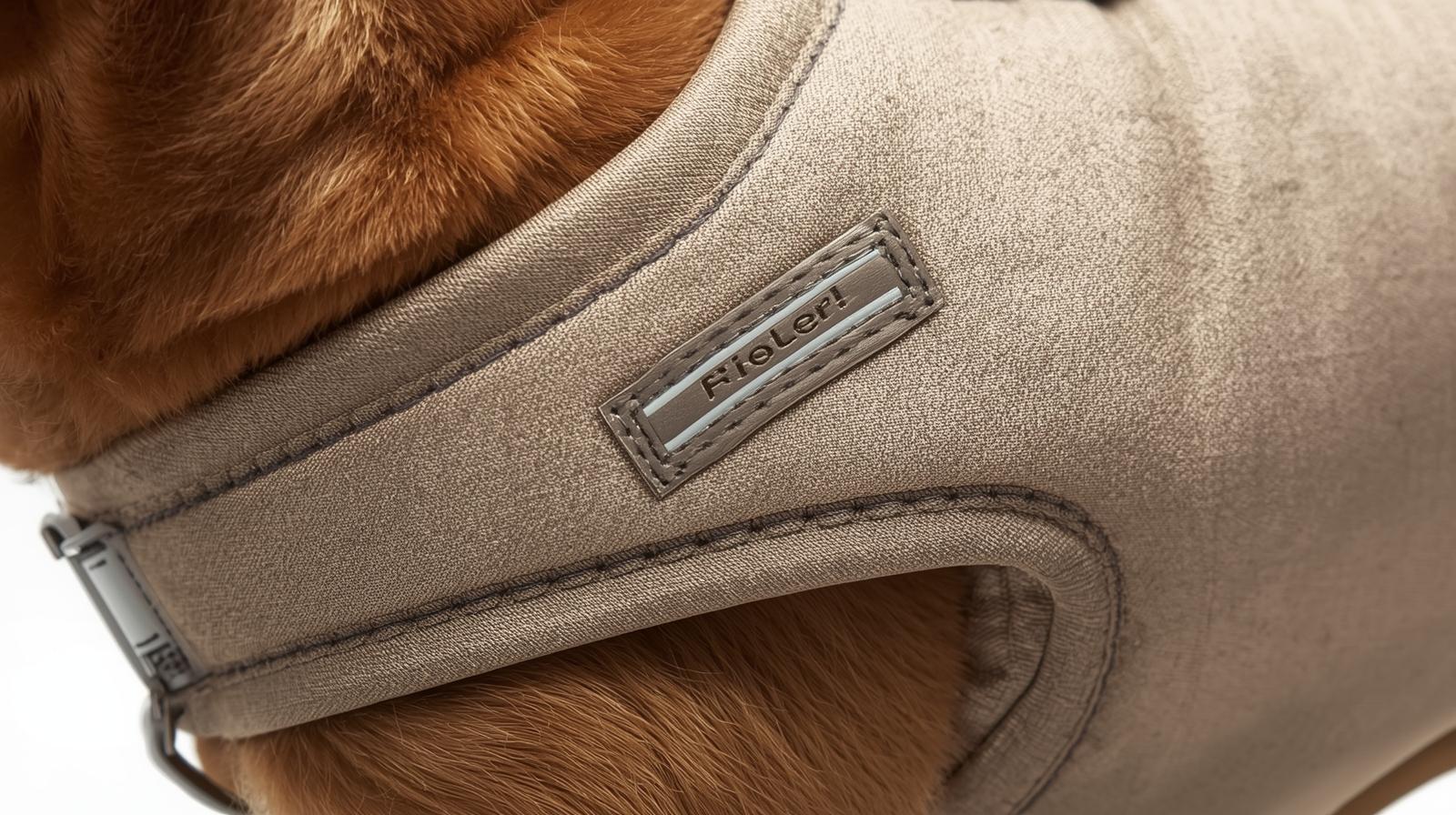
Padding alone does not improve comfort unless it is integrated correctly with webbing and reinforcement layers. Professional factories design padding zones to align with load-bearing areas, allowing pressure to spread evenly across the chest rather than concentrating at strap edges.
This integration significantly reduces friction, redness, and discomfort complaints.
Moisture and Heat Management
In padded harnesses, trapped heat and moisture are common causes of negative feedback, especially in outdoor or high-activity use. Factory-level padding design considers airflow channels, liner fabric selection, and foam structure to manage heat buildup.
These details are critical for reducing wear-related returns in warmer climates.
Market Comparison: Generic Padding vs Factory-Engineered Padding
| Padding Metric | Generic Padded Harness | Factory-Engineered Padding |
|---|---|---|
| Padding density variation | ±20–30% between batches | ±5–8% controlled |
| Thickness tolerance | ±3–5 mm | ±1–2 mm |
| Compression recovery after 1,000 cycles | 60–70% | 85–90% |
| Pressure distribution efficiency | Uneven under load | Evenly distributed |
| Comfort-related return ratio | 10–15% typical | Reduced to 4–7% |
| Padding performance consistency | Variable | Stable across SKUs |
These differences become visible only after repeated wholesale orders.
Padding Design Differentiation Based on Dog Size and Activity Level
Padding Thickness Selection by Dog Size
Padding thickness must scale with dog size and load behavior rather than follow a single standard. Small dogs typically require thinner padding to avoid bulk and movement restriction, while medium and large dogs benefit from thicker padding that maintains shape under higher tensile forces.
Factory-level programs usually apply graduated padding thickness, increasing thickness incrementally by size group. This prevents common issues such as harness stiffness on small dogs and padding collapse on larger breeds.
Density Matching for Low-Activity vs High-Activity Dogs
Padding density plays a critical role in long-term comfort and durability. Low-activity or indoor companion dogs require softer padding that conforms easily to body movement. High-activity dogs—such as outdoor, working, or pulling breeds—need higher-density padding that resists compression fatigue and maintains pressure distribution over time.
By defining density ranges for different activity levels, padded dog harness factories can align comfort with real usage conditions instead of relying on generic foam selection.
Padding Placement and Coverage Optimization
Effective padding is not about full coverage. Strategic placement around pressure-sensitive areas—such as the chest and underarm zones—reduces friction while keeping overall harness weight controlled.
Factories with padding expertise design zoned padding layouts, adjusting coverage width and edge transitions based on expected movement patterns. This reduces abrasion complaints and improves wear comfort across different dog profiles.
Preventing Over-Padding as a Source of Returns
Over-padding is a frequent but overlooked cause of returns. Excess padding increases heat retention, stiffness, and drying time after washing, especially in warmer climates or outdoor environments.
Professional padded dog harness factories balance padding thickness and breathability to avoid these issues, ensuring comfort improvements do not introduce new performance problems.
Why This Matters at Wholesale Scale
When padding parameters are clearly defined by size and activity profile, wholesale programs can expand SKUs without increasing inconsistency. Each padding configuration remains stable within its intended application range, allowing brands to scale product lines while maintaining predictable comfort performance and lower return risk.
FAQ: Practical Questions from Buyers
Q: Does more padding always mean better comfort?
A: No. Comfort depends on padding behavior under load, not thickness alone.
Q: Can padded harnesses support active or outdoor dogs?
A: Yes, when padding density, moisture resistance, and reinforcement are designed for higher activity levels.
Q: Why do padding-related issues often appear after scaling?
A: Because material variation and compression fatigue become visible only across large volumes and repeated use.
Conclusion: Padding Quality Is Engineered at the Factory
In wholesale dog harness programs, padding quality determines whether comfort remains consistent or becomes a return driver. Poorly controlled padding introduces variability that grows with volume, while factory-engineered padding supports stable performance across markets.
As a specialized padded dog harness factory, Sixpet designs padding systems with controlled density, integrated structure, and environment-specific performance standards. This allows brands to offer padded harness products that maintain comfort, durability, and consistency as they scale.
If you’d like to explore our padded dog harness designs, materials, and application profiles, you can visit our official website:
👉 https://www.sixpet.com/
If you are planning a wholesale or OEM program and want to discuss padding specifications, comfort optimization, or production timelines, our team is ready to support you directly:
👉 https://www.sixpet.com/contact-us