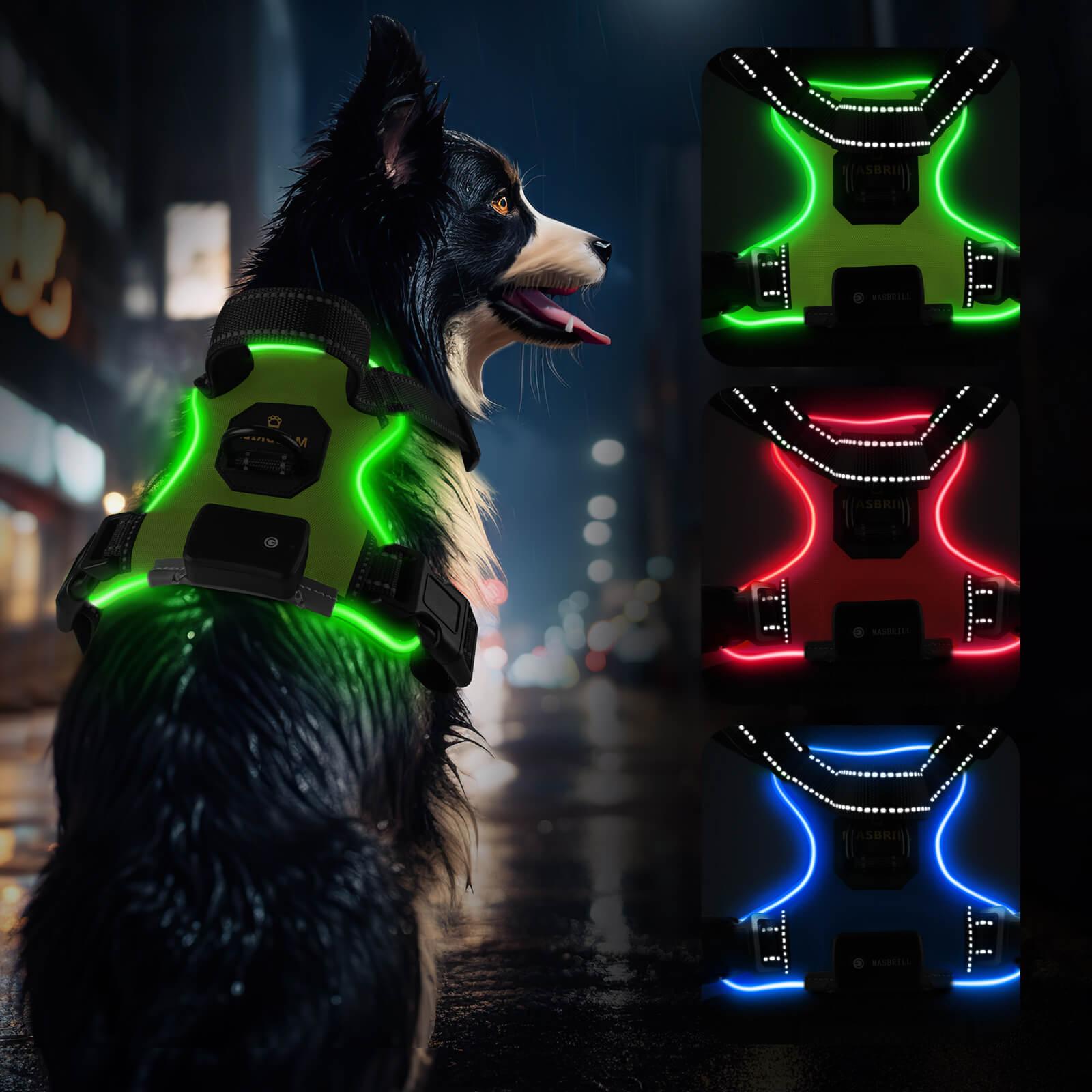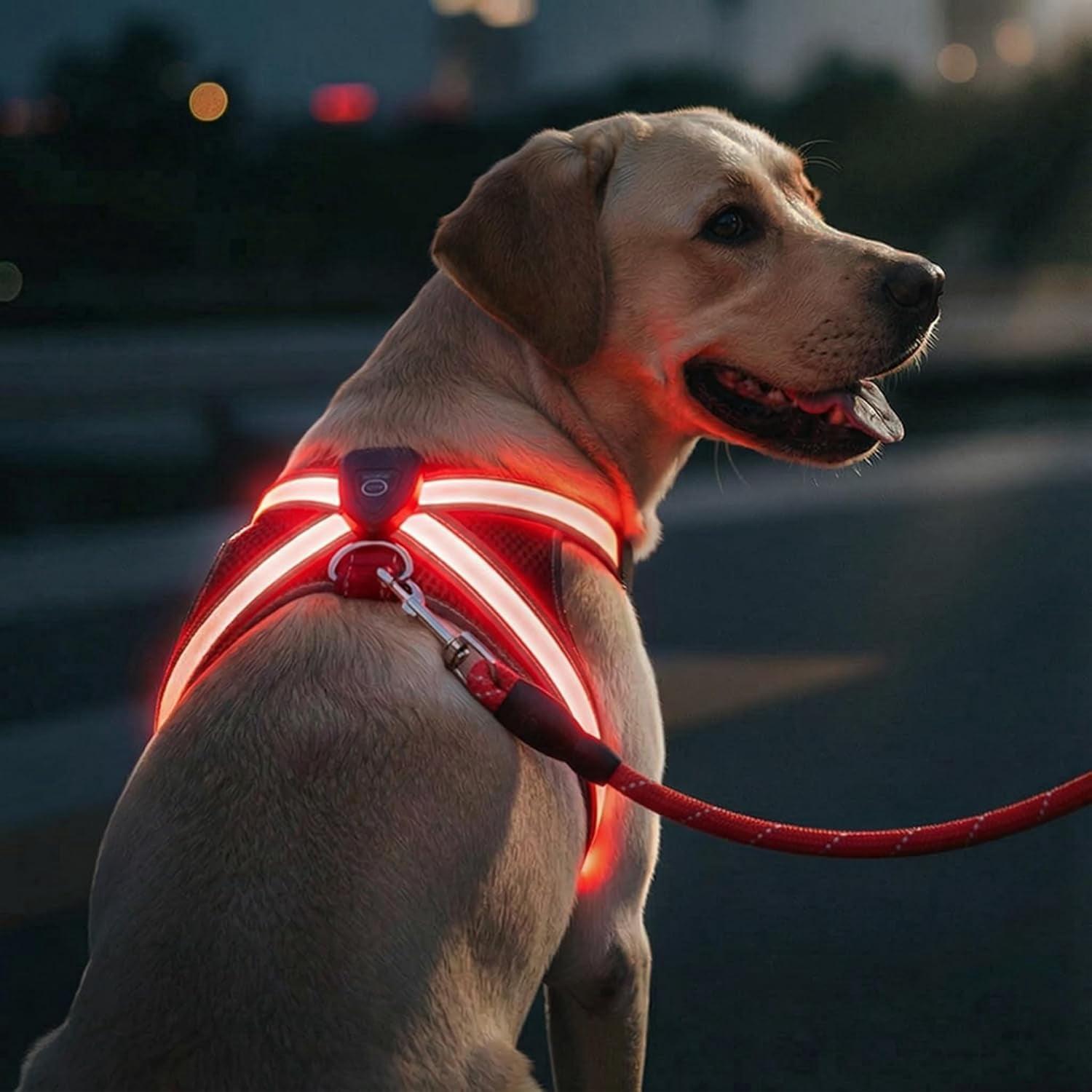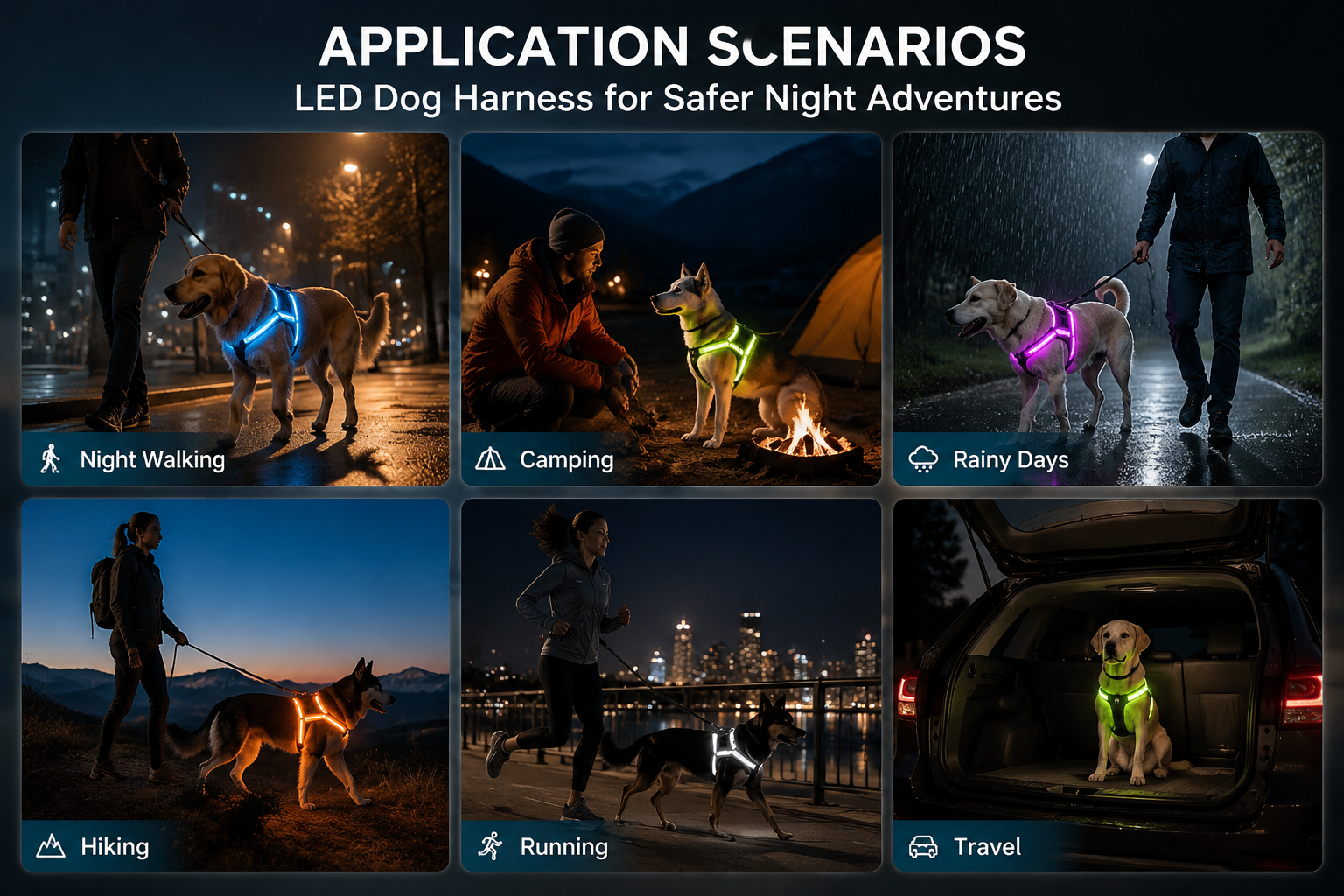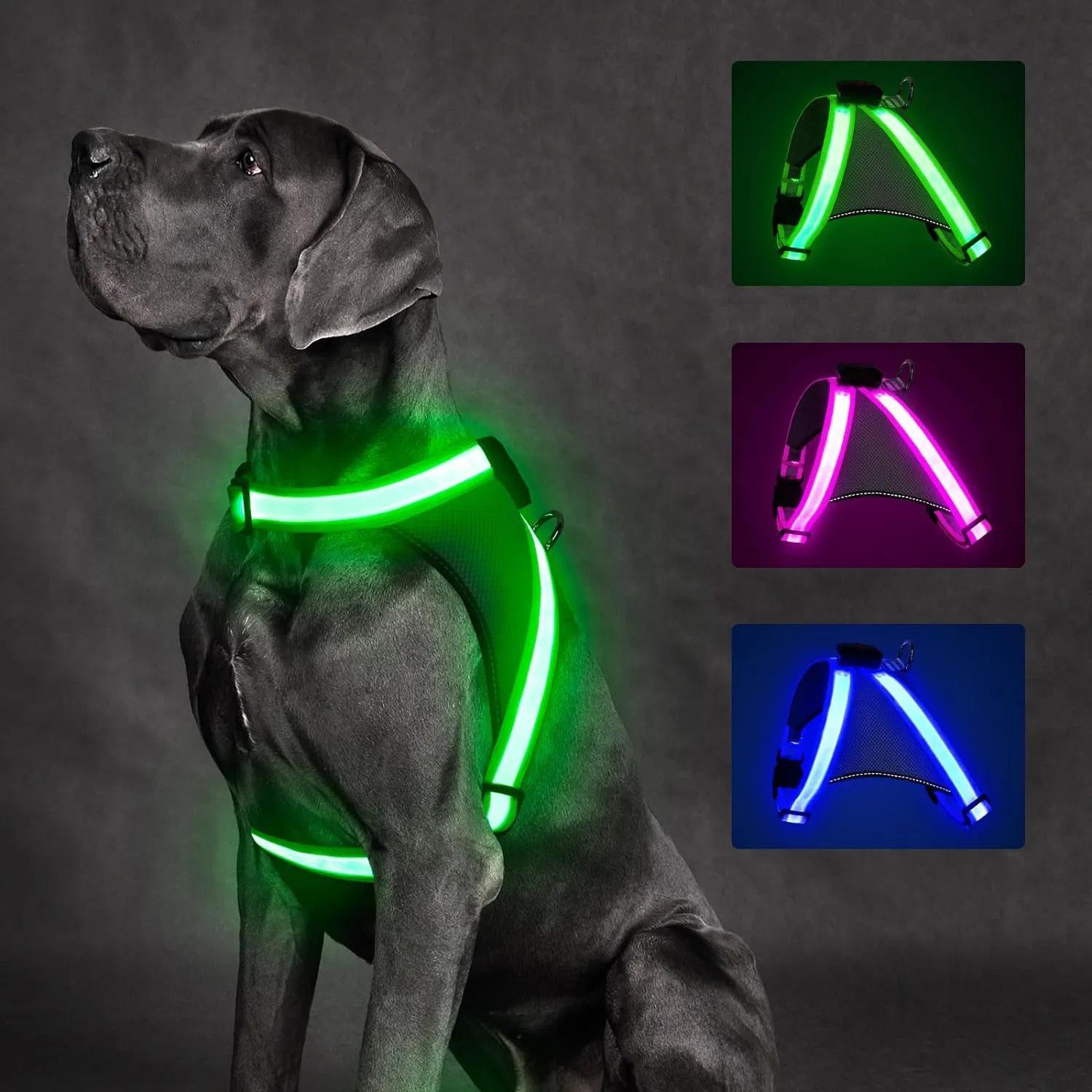
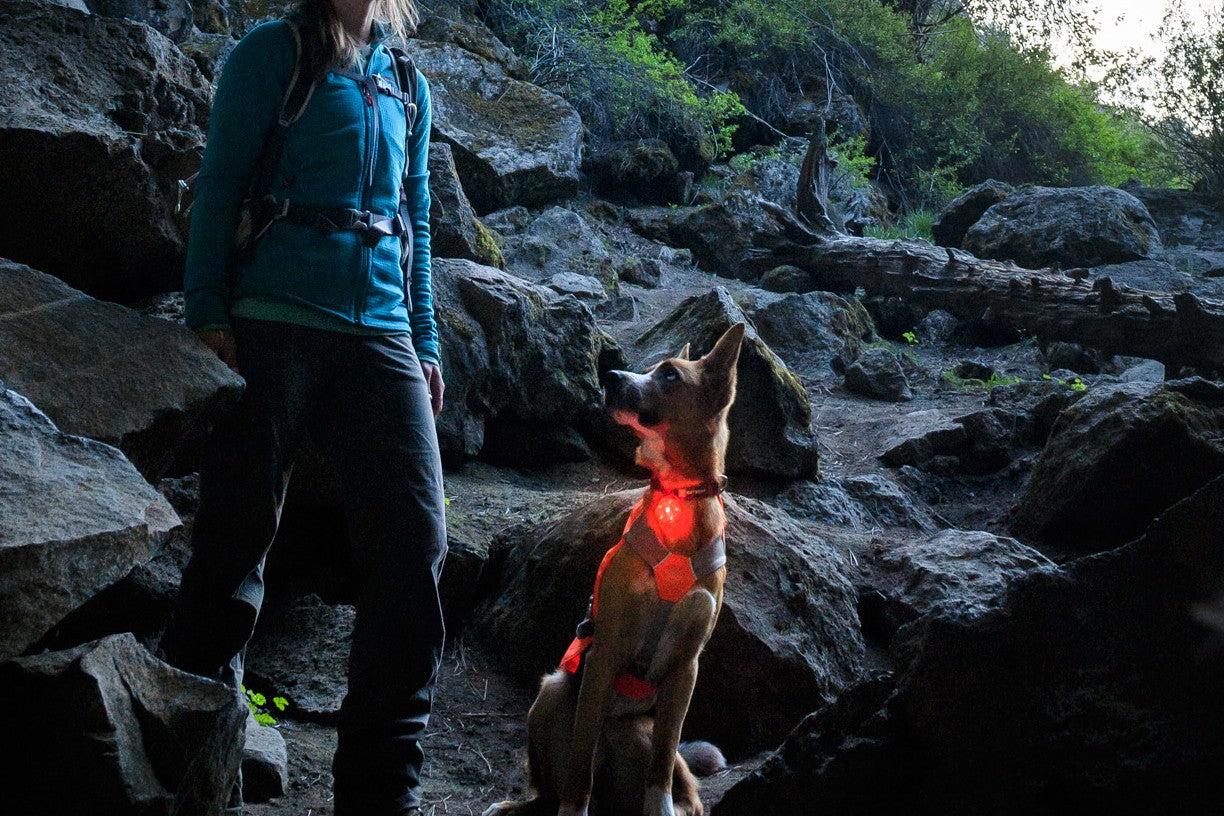
Rechargeable LED Dog Harness: Engineering Stable Lighting Systems for Real Outdoor Use
Rechargeable LED dog harnesses combine wearable textile systems with rechargeable electronics to improve visibility during night walks and outdoor activities. However, many products fail due to unstable power systems, poor waterproof protection, or inconsistent lighting performance. A professionally engineered rechargeable LED dog harness system focuses on stable illumination, battery efficiency, and long-term durability across repeated use cycles.
Problem Insight: Why Rechargeable LED Harnesses Often Fail
Unstable Charging Systems Create Early Product Failure
Many rechargeable LED harnesses use low-quality charging modules or poorly protected battery housings. Over time, repeated charging cycles lead to reduced battery performance, unstable brightness, or complete power failure.
In wholesale programs, these issues significantly increase return rates after several weeks of use.
Lighting Performance Changes Over Time
Inconsistent voltage output causes LED brightness to fluctuate as battery levels decrease. Products that initially appear bright may quickly lose visibility performance during normal use.
This inconsistency directly affects user confidence in safety-related products.
Technical Breakdown: What Defines a Reliable Rechargeable LED Harness
Rechargeable Battery Stability and Output Control
A reliable rechargeable LED dog harness uses controlled battery systems with stable voltage regulation. This maintains consistent brightness throughout the discharge cycle rather than dimming rapidly after partial use.
Professional systems also include protection against overcharging and overheating.
Waterproof Charging and Sealed Power Compartments
Outdoor lighting products require charging systems protected against moisture and dirt. High-quality harnesses integrate sealed charging ports and reinforced battery compartments to prevent water ingress.
This significantly improves durability in outdoor and rainy environments.
Integrated LED and Wiring Structure
Rechargeable LED systems perform best when lighting modules and wiring paths are integrated into the harness structure. Flexible routing protects electrical components from movement stress while maintaining even light distribution.
This reduces wiring fatigue and connection failure over long-term use.
Market Comparison: Generic Rechargeable Harness vs Engineered LED Power System
| Lighting Metric | Generic Rechargeable Harness | Engineered Rechargeable LED System |
|---|---|---|
| Battery runtime per charge | 2–4 hours | 6–12 hours |
| Brightness consistency | Declines rapidly | Stable regulated output |
| Waterproof protection | Limited splash resistance | IPX5–IPX7 sealed protection |
| Charging cycle lifespan | 100–200 cycles | 500–800 cycles |
| Failure rate after repeated charging | 12–18% | Reduced to 3–6% |
| Light distribution uniformity | Uneven | Balanced across harness |
These differences are particularly noticeable at night, during high-frequency use, and in outdoor environments.
Differentiation by Dog Size and Usage Environment
Lightweight Rechargeable Systems for Small Dogs
Small dog harnesses require compact battery systems and lightweight LED integration to maintain comfort and flexibility. Proper component balance prevents excess weight from affecting movement.
High-Visibility Outdoor Systems for Larger Dogs
Medium and large dogs used in outdoor or trail environments benefit from stronger illumination, larger battery capacity, and extended operating time to maintain visibility over longer distances.
Structural Design Strategies That Improve Rechargeable LED Performance
Flexible Internal Wiring Protection
Repeated movement creates stress on electrical connections. Professional harness systems use reinforced flexible wiring paths to reduce breakage caused by bending and pulling.
Balancing Battery Capacity and Comfort
Larger batteries improve operating time but increase weight. Engineered harnesses optimize battery size to maintain visibility performance without compromising comfort.
FAQ: Practical Questions from Buyers
Q: How long should a rechargeable LED dog harness last per charge?
A: Professionally engineered systems typically provide 6–12 hours of stable illumination depending on brightness settings.
Q: Why do some rechargeable LED harnesses lose brightness quickly?
A: Poor voltage regulation and unstable battery systems are common causes.
Q: Can rechargeable LED harnesses be used safely in rain?
A: Yes, when designed with sealed charging ports and waterproof battery compartments.
Conclusion: Rechargeable LED Performance Depends on Power System Engineering
Rechargeable LED dog harnesses must balance visibility, battery efficiency, and durability to perform reliably in real outdoor conditions. Without proper power management and waterproof integration, lighting systems quickly become a source of failure and returns.
As a specialized supplier of rechargeable LED dog harness systems, Sixpet develops integrated lighting solutions with stable battery control, reinforced wiring, and waterproof protection, helping brands deliver reliable visibility products for wholesale markets.
If you’d like to explore our rechargeable LED dog harness designs and lighting system configurations, you can visit our official website:
👉 https://www.sixpet.com/
If you are planning a wholesale or OEM program and want to discuss rechargeable lighting systems, battery performance, or production timelines, our team is ready to support you directly:
👉 https://www.sixpet.com/contact-us