Summary
Soft padded dog harnesses are widely used in companion dog markets where comfort is a primary concern. However, softness alone does not guarantee a better product. In wholesale programs, overly soft or poorly controlled padding often leads to structural instability, faster wear, and increased return rates. A professional soft padded dog harness supplier designs cushioning systems that balance softness with support, ensuring consistent comfort and durability across large production volumes.
Problem Insight: Why “Soft” Harnesses Still Cause Complaints
Softness Without Structure Leads to Instability
Many soft padded harnesses focus only on reducing stiffness, using low-density foam or thick cushioning layers. While this may feel comfortable initially, it often causes the harness to lose shape under load.
In real use, this leads to shifting, uneven pressure distribution, and reduced control during walking.
Compression Fatigue Reduces Long-Term Comfort
Soft padding materials can degrade quickly when subjected to repeated compression. After several weeks of use, the padding may flatten, reducing both comfort and support.
This issue is rarely visible at delivery but becomes a key source of delayed complaints in wholesale markets.
Technical Breakdown: What Defines Soft Padding Performance at the Factory Level
Controlled Padding Density and Recovery Rate
Professional soft padded dog harness suppliers define softness through controlled density ranges rather than using the softest possible material. The goal is to achieve a balance between immediate comfort and long-term resilience.
Compression recovery testing ensures that padding maintains its shape after repeated use.
Multi-Layer Padding Structure
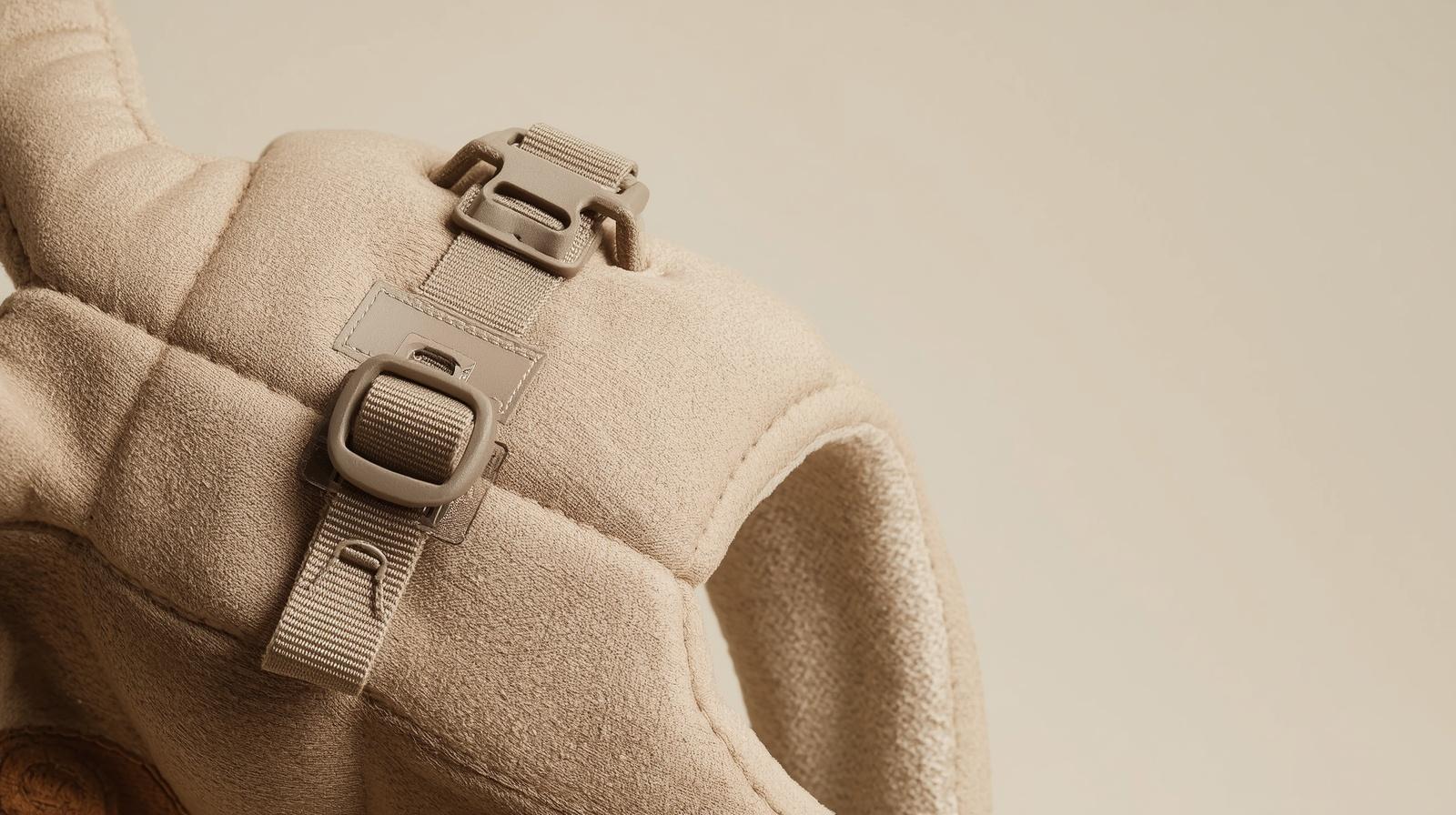
Instead of relying on a single foam layer, engineered harnesses use multi-layer structures that combine soft surface materials with supportive inner layers. This approach improves comfort while maintaining structural stability.
Layer interaction is critical for ensuring that softness does not compromise load distribution.
Edge Finishing to Prevent Friction
Soft padded harnesses often fail at the edges, where stitching or exposed seams can cause irritation. Factory-level design includes smooth edge finishing and fabric wrapping techniques to reduce friction against the dog’s skin.
This detail significantly improves comfort in real-world use.
Market Comparison: Generic Soft Padding vs Engineered Cushion System
| Padding Metric | Generic Soft Harness | Engineered Soft Padding System |
|---|---|---|
| Foam density variation | ±25–35% | ±5–10% controlled |
| Compression recovery (1,000 cycles) | 55–65% | 80–90% |
| Shape retention under load | Low | Stable |
| Pressure distribution | Uneven | Balanced |
| Comfort complaint rate | 10–16% | Reduced to 4–7% |
| Durability over time | Degrades quickly | Maintains performance |
这些差异在长期使用后尤为明显。
Differentiation by Dog Type and Usage Scenario
Small and Companion Dogs
Soft padded harnesses are particularly suitable for small and companion dogs that are sensitive to pressure and require lightweight comfort. Designs for these dogs prioritize softness, flexibility, and minimal bulk.
Medium Dogs and Daily Walking Use
For medium-sized dogs, soft padding must also provide structural support to handle moderate pulling force. Harnesses designed for this group balance cushioning with reinforcement to maintain stability.
Structural Design Strategies That Improve Soft Padded Harness Performance
Preventing Over-Softening
Excessively soft padding can lead to instability and faster wear. Professional manufacturers control softness within defined ranges to prevent this issue while maintaining comfort.
Maintaining Load Distribution Through Cushion Layers
Even with soft padding, harnesses must distribute load effectively. Multi-layer padding systems help maintain structural balance while improving comfort.
FAQ: Practical Questions from Buyers
Q: Does softer padding always improve comfort?
A: No. Comfort depends on how padding performs under load, not just initial softness.
Q: Why do some soft harnesses lose shape quickly?
A: Low-density materials often suffer from compression fatigue after repeated use.
Q: Can soft padded harnesses handle moderate pulling force?
A: Yes, when designed with proper structural support and reinforcement.
Conclusion: Soft Comfort Must Be Engineered, Not Over-Simplified
Soft padded dog harnesses must balance comfort with structural stability to perform effectively in real use. Without controlled material selection and proper design, softness alone can lead to instability and higher return rates.
As a specialized soft padded dog harness supplier, Sixpet develops cushioning systems with controlled density, multi-layer structure, and long-term durability, helping brands deliver comfortable and reliable products in wholesale markets.
If you’d like to explore our soft padded dog harness designs and material options, you can visit our official website:
👉 https://www.sixpet.com/
If you are planning a wholesale or OEM program and want to discuss padding structure, customization options, or production timelines, our team is ready to support you directly:
👉 https://www.sixpet.com/contact-us