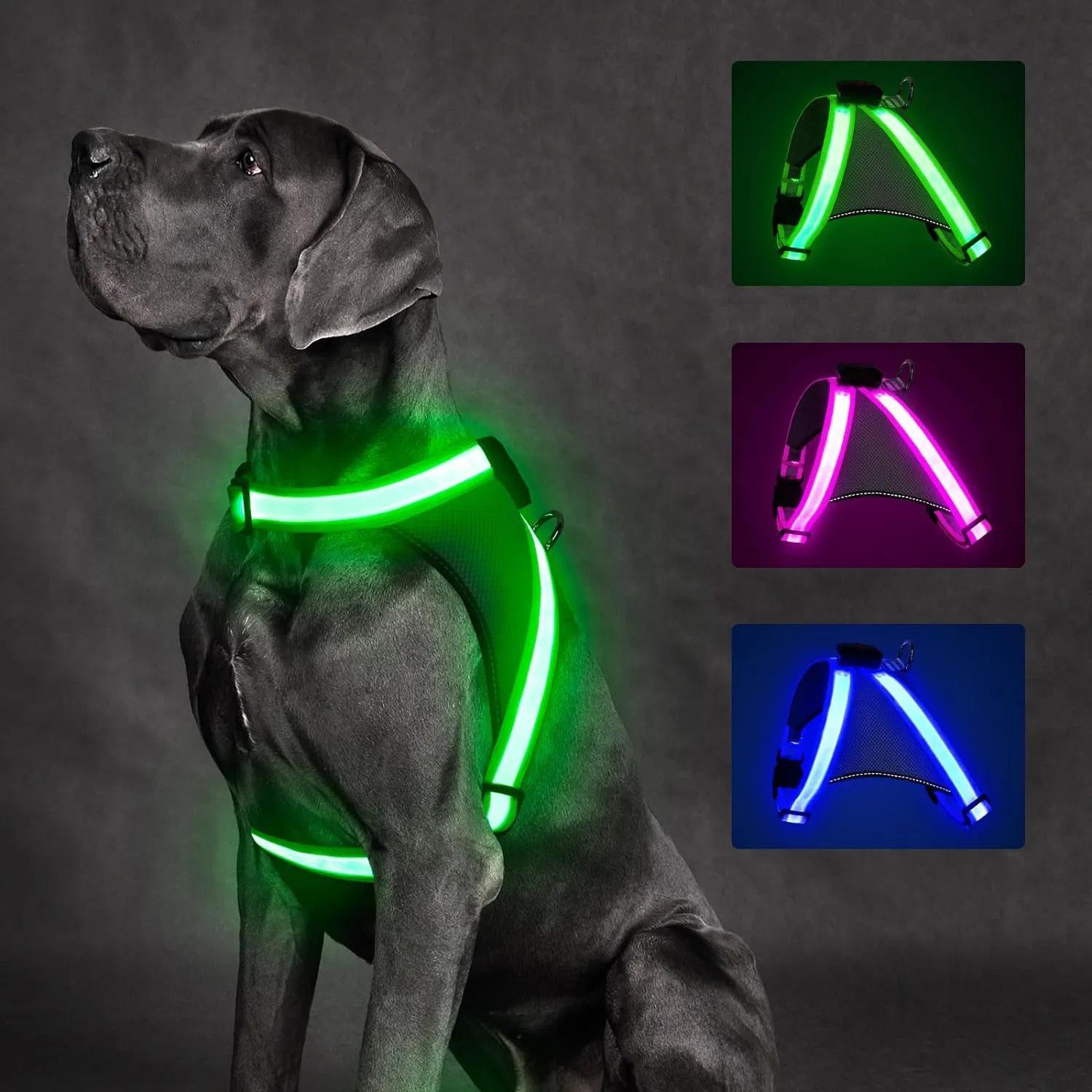
In wholesale dog harness programs, adjustability is often treated as a visual feature rather than a structural system. For growing brands, ineffective adjustment design leads directly to fit complaints, higher return rates, and unstable product feedback. A professional adjustable dog harness supplier approaches adjustability as an engineered solution that must remain consistent across sizes, breeds, and production batches.
Problem Insight: Why “Adjustable” Often Fails in Real Orders
Visual Adjustability vs Functional Adjustability
Many harnesses are marketed as adjustable simply because straps can be lengthened or shortened. In practice, these designs often fail to accommodate real differences in chest depth, shoulder width, and body movement across dog breeds.
In wholesale orders, this gap becomes obvious. Products labeled as adjustable still generate size-related complaints because adjustment ranges are not aligned with real anatomical variation.
Scaling Exposes Adjustment Weakness
At small volumes, manual fitting advice or customer tolerance can mask poor adjustability. As wholesale volume increases, the same structural limitations repeat across hundreds of units, turning adjustment flaws into systematic return drivers.
This is why adjustability must be designed, not assumed.
Technical Breakdown: What Defines True Adjustability at the Factory Level
Adjustment Range Based on Breed and Size Logic
A scalable adjustable dog harness system defines adjustment ranges based on breed groups and size categories, not arbitrary strap lengths. Chest and neck adjustment zones are calibrated to allow meaningful fit correction without compromising load distribution.
This prevents issues such as strap overlap, uneven tension, or pressure concentration that commonly occur in poorly designed adjustable harnesses.
Strap Geometry and Load Balance
True adjustability depends on strap geometry, not just length. The angle and positioning of adjustable straps determine whether load remains balanced as the harness is tightened or loosened.
Professional adjustable dog harness suppliers design strap paths that maintain structural symmetry across adjustment ranges, ensuring consistent performance for different body shapes.
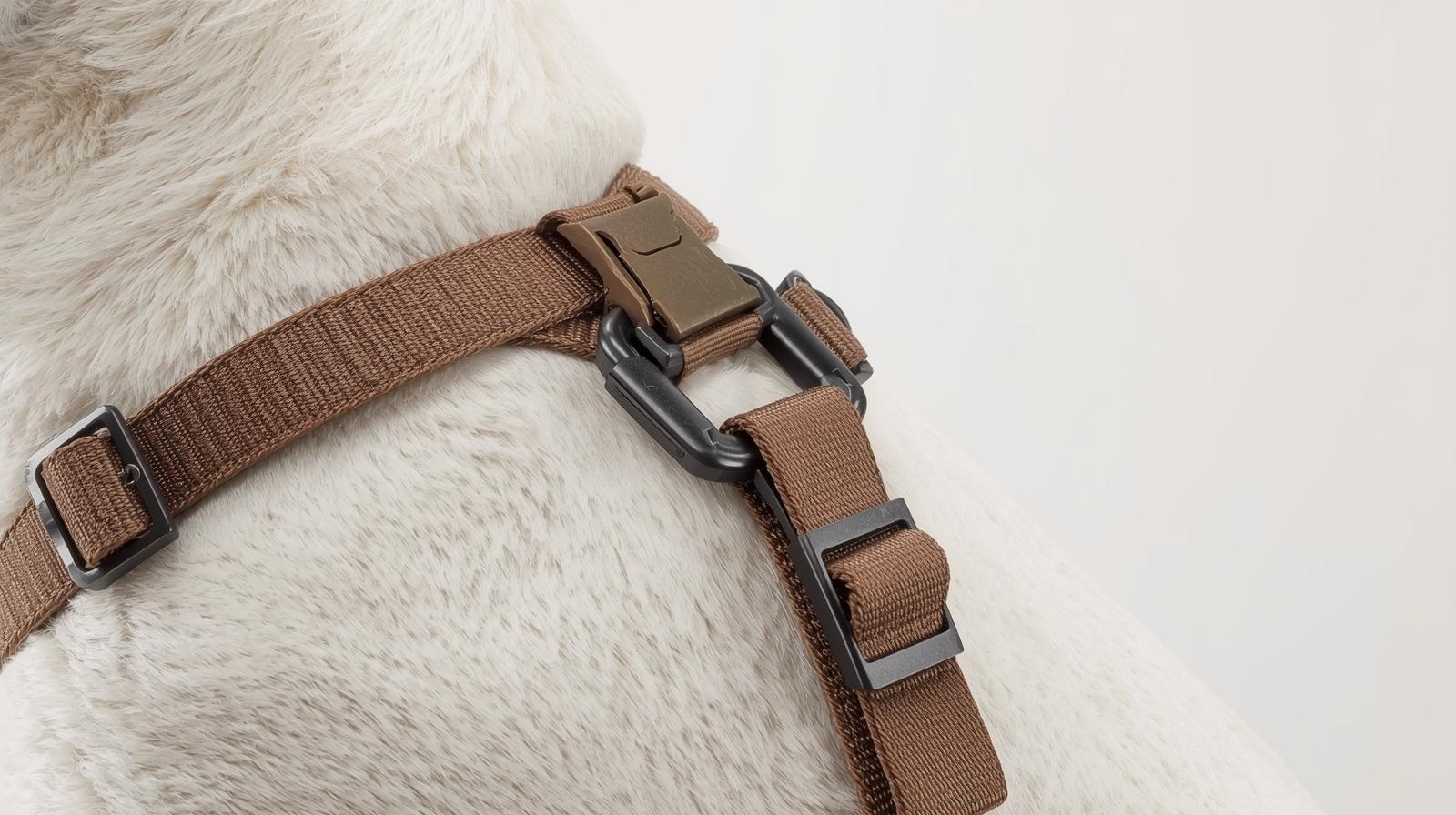
Hardware Stability Under Repeated Adjustment
In wholesale use, harnesses are adjusted frequently by end users. Buckles, sliders, and adjustment loops must maintain grip strength and dimensional stability after repeated movement.
Suppliers with adjustable-system expertise specify hardware tolerances and surface treatments that prevent slippage and deformation over time.
Market Comparison: Generic Adjustable Harness vs Supplier-Engineered Adjustment
| Adjustment Metric | Generic Adjustable Harness (Typical Market Range) | Supplier-Engineered Adjustment (Controlled Program) |
|---|---|---|
| Effective chest adjustment range | 15–20% of nominal chest size; overlap often occurs at max adjustment | 25–35% usable adjustment range without strap overlap |
| Strap length tolerance (batch to batch) | ±8–12 mm per strap across production runs | ±3–5 mm controlled tolerance |
| Load balance deviation after adjustment | 18–25% load shift toward one shoulder when fully tightened | ≤8% load deviation maintained across adjustment range |
| Hardware slippage rate after repeated adjustment | 10–15% slippage reported after 500–800 adjustment cycles | <3% slippage after 1,500+ adjustment cycles |
| Adjustment stability under pulling force | Strap creep observed at 35–45 N sustained load | Stable performance up to 60–70 N sustained load |
| Size-related return ratio (wholesale programs) | Commonly 12–18% tied to poor adjustability | Typically reduced to 5–8% after system optimization |
| Fit complaint rate across multiple breeds | High variance; complaints rise with breed diversity | Controlled across defined breed groups |
| Adjustment consistency across colors / materials | Varies due to material substitution | Locked specifications across all variants |
Differentiation by Dog Breed and Usage Environment
Breed-Specific Adjustment Profiles
Small companion dogs, medium urban walkers, and large outdoor-active breeds require different adjustment behaviors. A professional adjustable dog harness supplier defines adjustment profiles for each category, controlling strap range, reinforcement density, and hardware rating accordingly.
This allows brands to offer adjustable products that genuinely fit different dog types without expanding SKU complexity unnecessarily.
Indoor vs Outdoor Adjustment Requirements
Indoor and urban-use harnesses prioritize fine-tuning and comfort, while outdoor harnesses require adjustment systems that remain stable under moisture, dirt, and higher tension.
Wholesale programs that support environment-based differentiation apply separate adjustment specifications for indoor and outdoor product lines, ensuring performance consistency in real use conditions.
OEM Customization: Scaling Adjustability Without Losing Control
Controlled Adjustment Customization
OEM customization within adjustable harness programs focuses on adjustment range, strap layout, and hardware selection rather than unlimited visual changes. This ensures customization improves usability without introducing inconsistency.
Specification Locking Across Wholesale Orders
Once an adjustable system is validated, specifications are locked for repeat wholesale orders. Any modification follows a controlled revision process, preventing unintended changes that compromise fit stability.
FAQ: Practical Questions from Buyers
Q: Do adjustable dog harnesses really reduce size-related returns?
A: Yes, but only when adjustability is designed around real anatomical variation rather than simple strap length.
Q: Can adjustable harness systems support multiple dog breeds in one SKU?
A: Properly designed systems can cover defined breed groups, but uncontrolled adjustability often creates more issues than it solves.
Q: Does adjustability increase production complexity for wholesale orders?
A: Not when adjustment logic and hardware specifications are standardized at the supplier level.
Conclusion: Adjustability Is a System, Not a Feature
In wholesale dog harness sourcing, adjustability determines whether a product can serve diverse dogs without driving up returns and complaints. Poorly designed adjustment systems create instability as volume grows, while engineered adjustability supports scalable, reliable performance.
As a specialized adjustable dog harness supplier, Sixpet develops adjustment systems based on breed logic, controlled strap geometry, and stable hardware standards. This allows brands to offer flexible products that perform consistently across markets and production cycles.
If you’d like to explore our adjustable dog harness designs, materials, and application profiles, you can visit our official website:
👉 https://www.sixpet.com/
If you are planning a wholesale or OEM program and want to discuss adjustment systems, breed-based sizing, or production timelines, our team is ready to support you directly:
👉 https://www.sixpet.com/contact-us