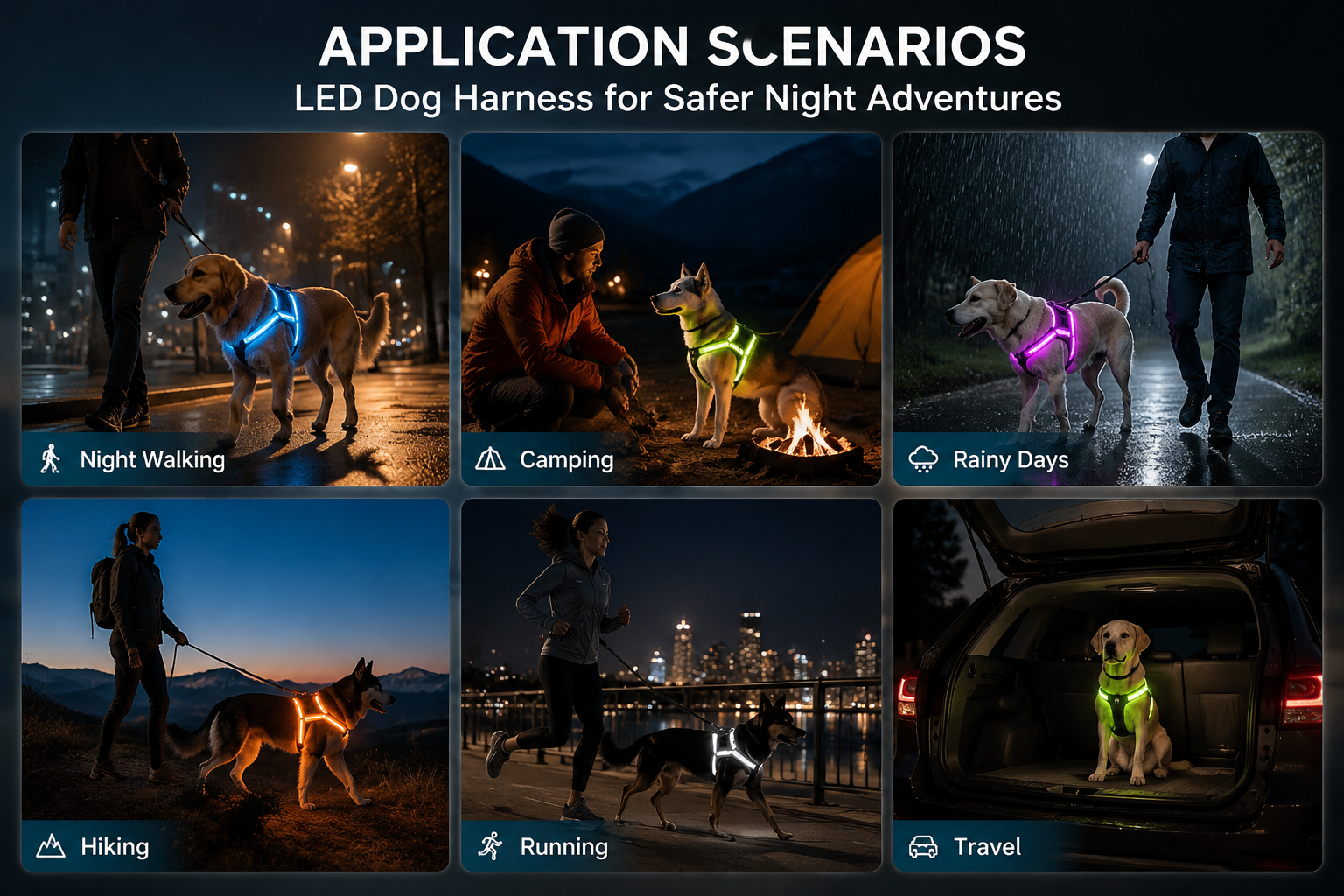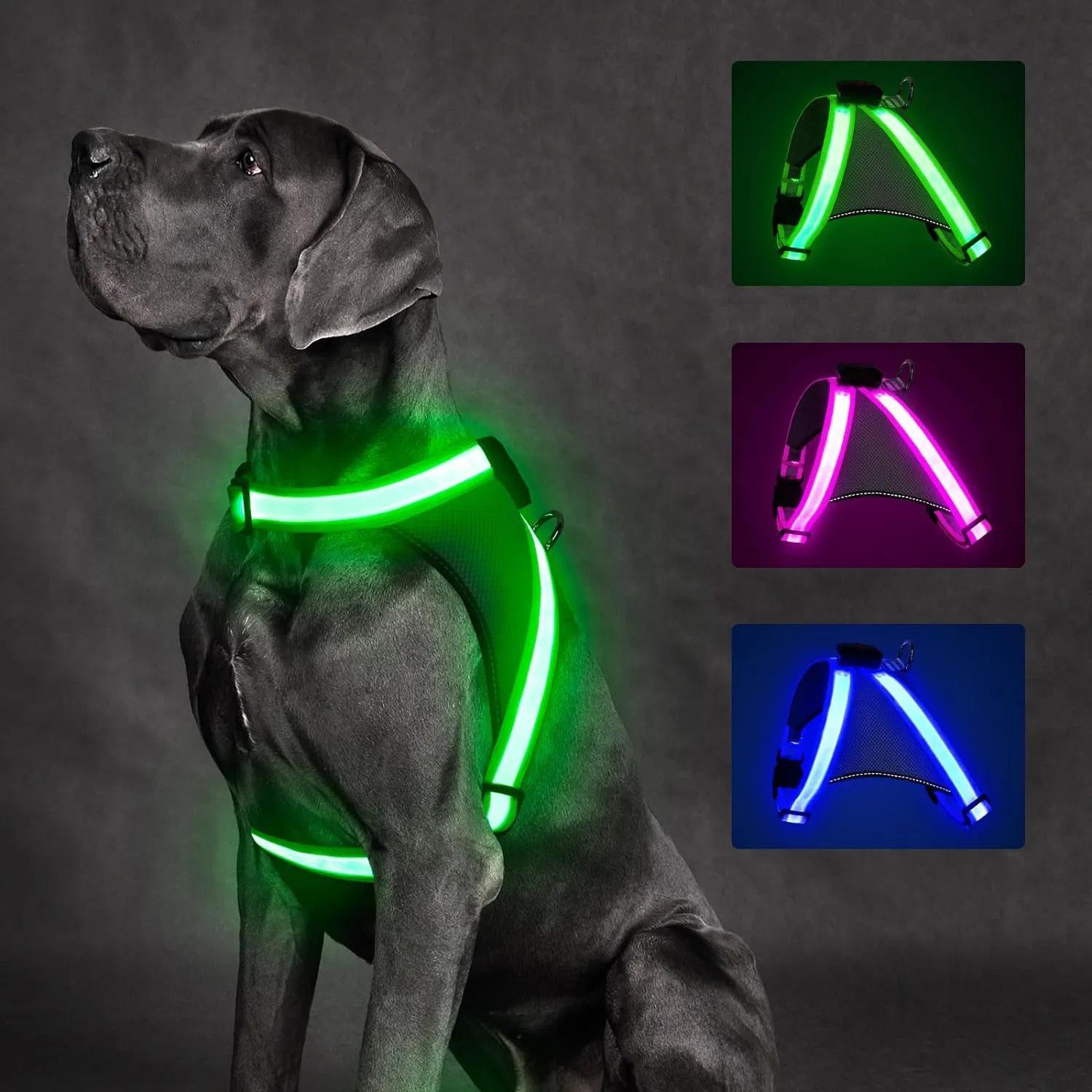
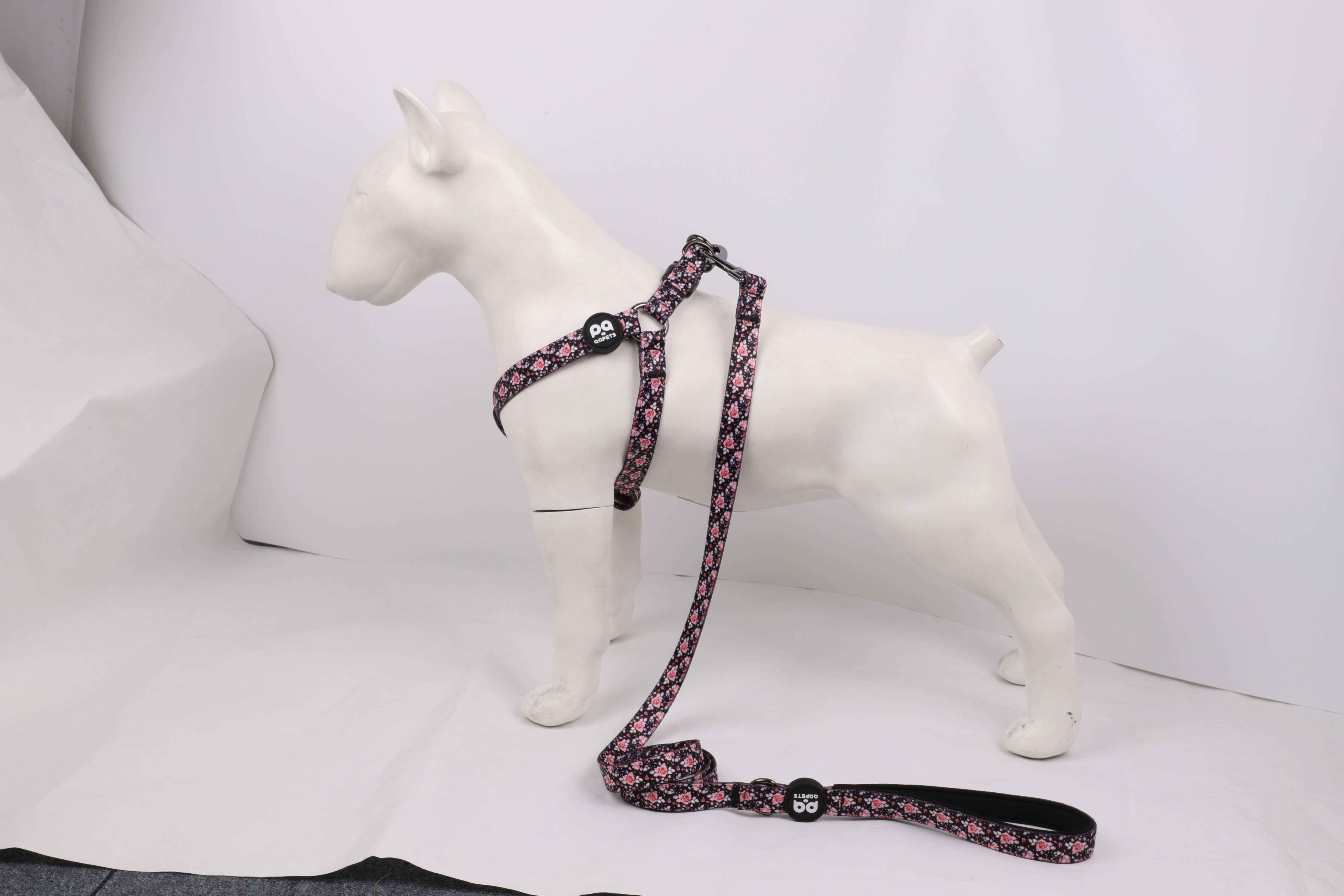
Outdoor dog harnesses must perform under significantly more demanding conditions than standard walking harnesses. Hiking trails, uneven terrain, and long activity sessions place additional stress on materials, stitching, and hardware. A professional outdoor dog harness manufacturer designs products specifically for these environments, ensuring structural stability, durability, and comfort across repeated outdoor use.
Problem Insight: Why Many Harnesses Fail in Outdoor Scenarios
Standard Harnesses Are Not Designed for Outdoor Stress
Many dog harnesses are developed primarily for urban walking environments. When these products are used for hiking or outdoor exploration, issues such as strap deformation, hardware fatigue, and fabric abrasion begin to appear.
For wholesale buyers serving outdoor markets, these failures often result in negative reviews and increased return rates.
Environmental Factors Accelerate Wear
Outdoor environments introduce several stress factors simultaneously: moisture, dirt, friction from rocks or vegetation, and prolonged pulling force during long walks. Harnesses without reinforced materials or protective design quickly show signs of wear.
This problem becomes particularly visible when products are used by active breeds that generate higher pulling force.
Technical Breakdown: Key Structural Elements of Outdoor Harness Design
Abrasion-Resistant Outer Materials
Outdoor harnesses require fabrics capable of resisting abrasion from rough surfaces. High-density nylon or reinforced polyester fabrics are commonly used to protect critical structural areas from premature wear.
These materials maintain strength even after repeated contact with dirt, rocks, or vegetation.
Reinforced Stitching for Load Stability
Outdoor activity involves frequent pulling and directional changes. Reinforced stitching patterns at stress points—such as leash attachment areas and chest intersections—help maintain structural stability during high-load situations.
Manufacturers typically increase stitching density in these zones to ensure durability across repeated outdoor sessions.
Hardware Durability and Corrosion Resistance
Outdoor harness hardware must resist corrosion caused by moisture, mud, and temperature changes. Stainless steel or coated metal components are often used in higher-performance outdoor harness systems.
Proper hardware selection ensures that buckles and rings maintain their load capacity throughout extended outdoor use.
Market Comparison: Urban Harness vs Outdoor-Engineered Harness
| Performance Metric | Standard Walking Harness | Outdoor-Engineered Harness |
|---|---|---|
| Fabric abrasion resistance | Moderate | High abrasion resistance |
| Hardware corrosion resistance | Limited | Weather-resistant materials |
| Reinforcement at stress points | Basic stitching | Reinforced multi-layer stitching |
| Durability under rough terrain | Variable | Stable performance |
| Outdoor usage complaint rate | 10–16% | Reduced to 4–7% |
| Structural lifespan under heavy use | Shorter | Significantly extended |
These differences become most visible during long outdoor activity sessions.
Differentiation by Dog Size and Outdoor Activity Type
Harness Design for Large and Active Breeds
Large breeds and high-energy dogs generate stronger pulling force during outdoor activities. Harnesses designed for these dogs require stronger webbing, reinforced chest panels, and higher hardware load ratings.
This ensures the harness maintains stability even under sustained pulling.
Hiking vs Daily Outdoor Walk Requirements
Short outdoor walks require moderate durability and comfort, while long hiking trips require stronger structural support, abrasion resistance, and breathable materials for extended use.
Professional outdoor dog harness manufacturers design separate product configurations for these different outdoor scenarios.
Structural Design Strategies for Outdoor Reliability
Load Distribution Across the Chest and Shoulders
Outdoor harness systems distribute pulling force across the chest rather than concentrating stress on narrow strap points. This improves control while maintaining comfort during long activity sessions.
Balancing Durability with Mobility
Increasing durability often adds weight. Outdoor harness design must balance material strength with mobility to ensure dogs can move naturally during hiking or running.
Manufacturers achieve this balance through selective reinforcement rather than simply increasing material thickness.
FAQ: Practical Questions from Buyers
Q: Are outdoor harnesses suitable for everyday walking?
A: Yes. Outdoor harnesses often provide greater durability and stability, making them suitable for both outdoor activities and daily walks.
Q: What materials are best for outdoor harness durability?
A: High-density nylon fabrics and corrosion-resistant metal hardware provide the best balance of durability and performance.
Q: Why do outdoor harnesses often cost more than standard harnesses?
A: They require stronger materials, reinforced structures, and additional durability testing to withstand demanding environments.
Conclusion: Outdoor Harness Reliability Starts with Manufacturing Design
Outdoor dog harnesses must withstand conditions far more demanding than everyday walking environments. Without proper structural engineering, harnesses quickly degrade under real outdoor use.
As a specialized outdoor dog harness manufacturer, Sixpet develops harness systems built for durability, safety, and comfort in demanding environments, helping brands deliver reliable products for outdoor-focused markets.
If you’d like to explore our outdoor dog harness designs and application scenarios, you can visit our official website to review available styles and product details:
👉 https://www.sixpet.com/
If you are planning a wholesale or OEM program and would like to discuss outdoor harness design, materials, or production timelines, our team is ready to support you directly:
👉 https://www.sixpet.com/contact-us