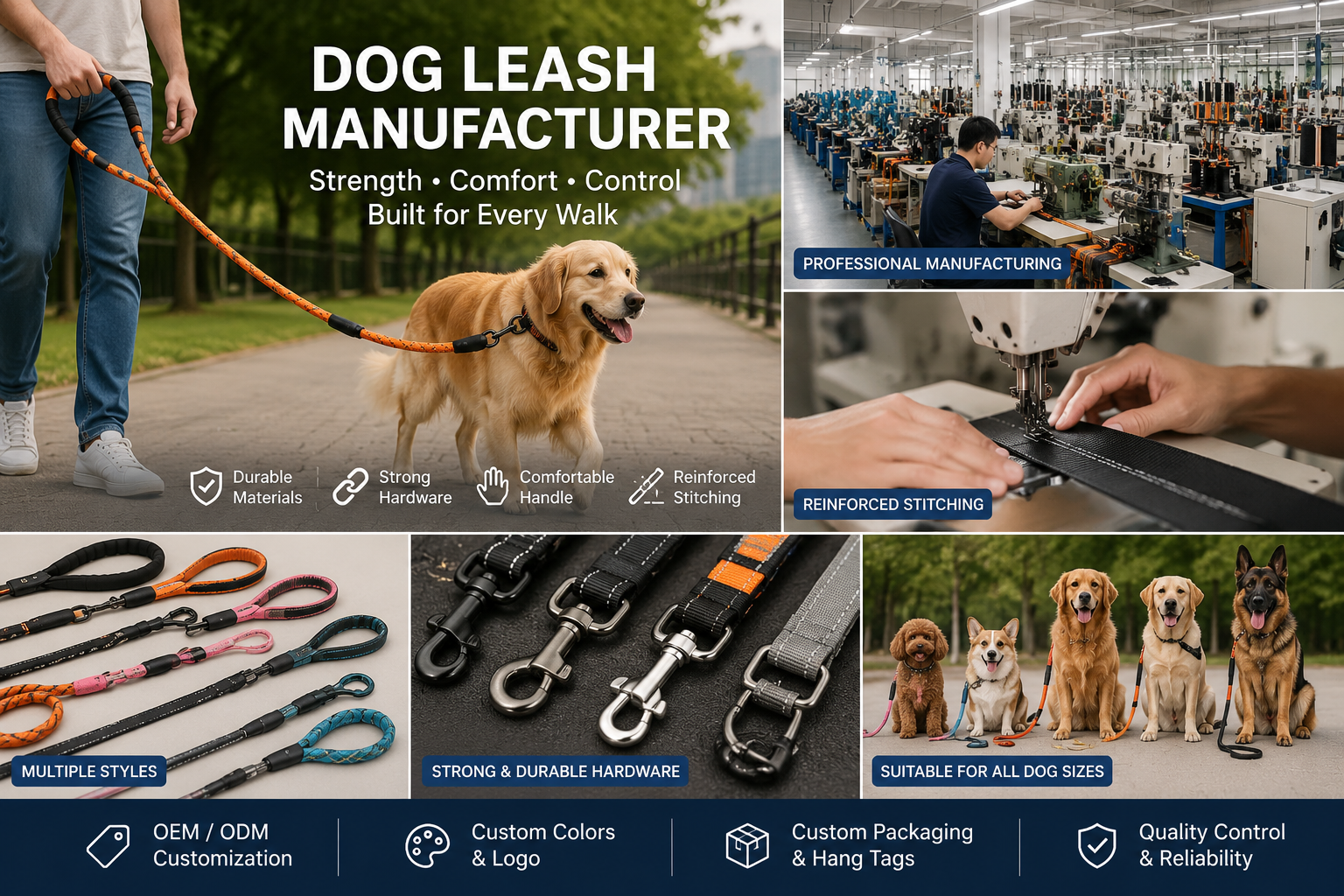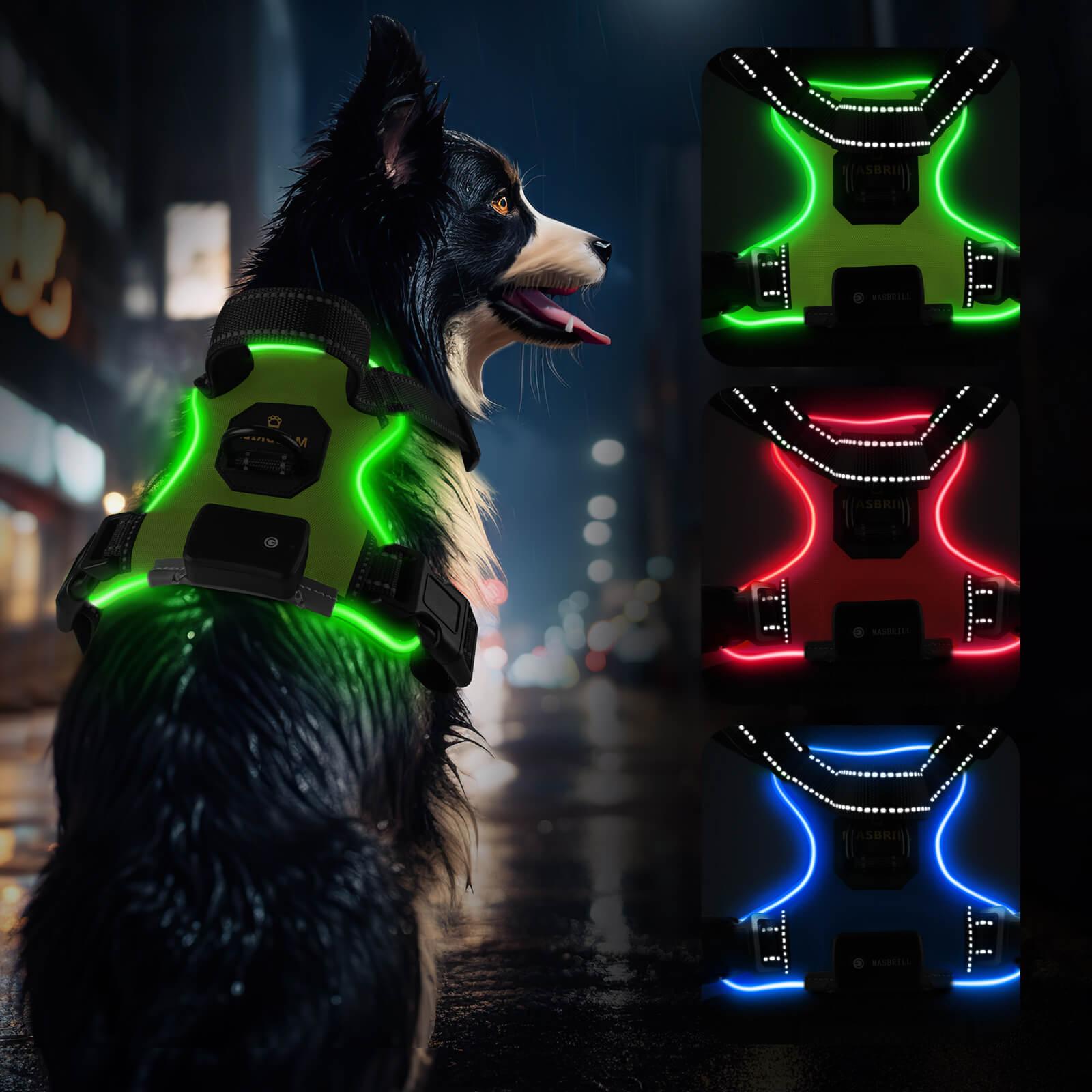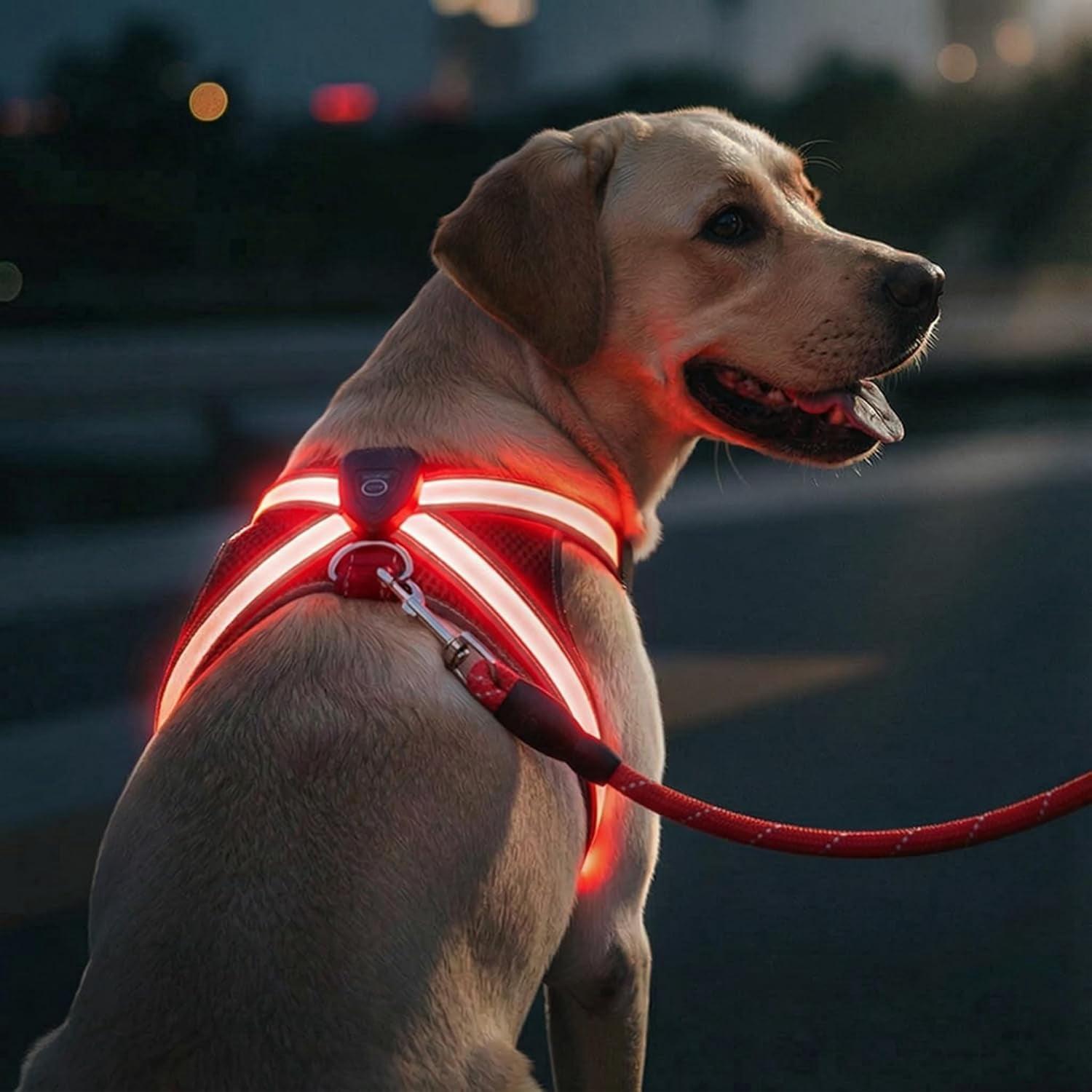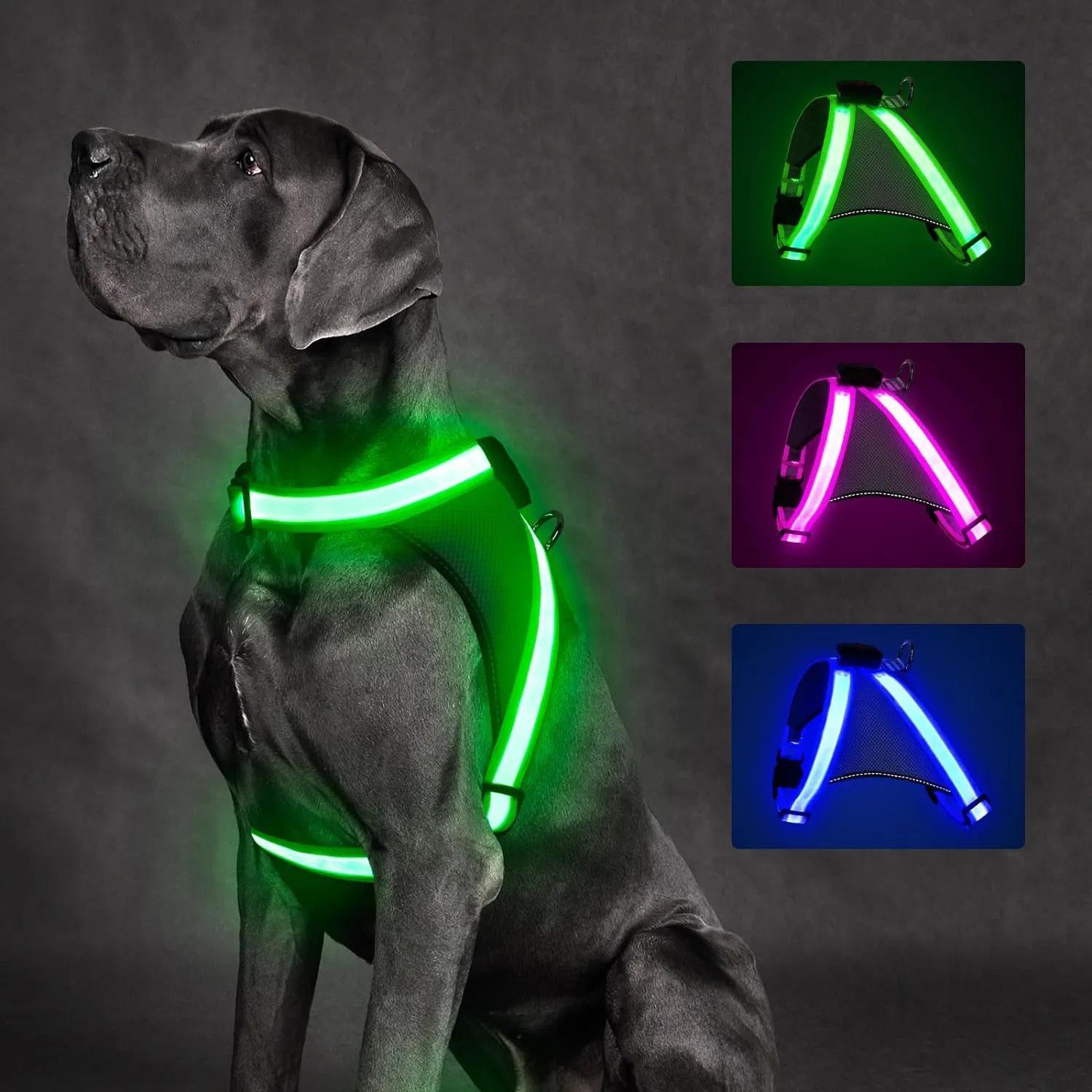
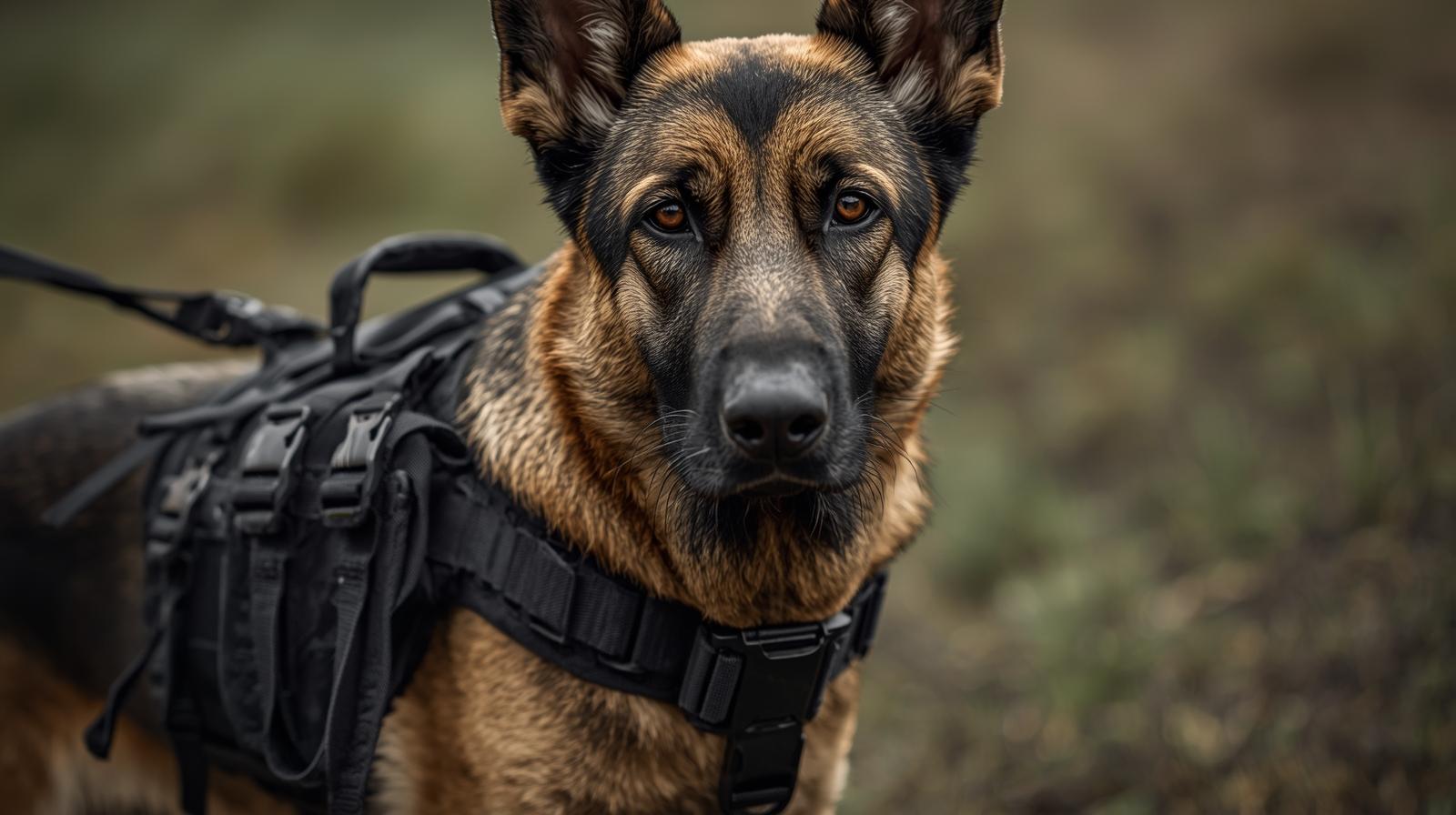
Tactical dog harnesses are designed for environments that demand higher load capacity, modular functionality, and long-term durability. Unlike standard harnesses, they must support additional gear, withstand harsh outdoor conditions, and maintain structural stability under repeated stress. A professional tactical dog harness manufacturer develops these systems with reinforced materials, modular attachment capability, and consistent production standards for wholesale programs.
Problem Insight: Why Many Tactical Harnesses Fail in Real Use
“Tactical” Often Means Appearance, Not Performance
Many harnesses marketed as tactical focus on visual elements such as camouflage patterns or MOLLE-style webbing without improving structural integrity. While visually appealing, these products often fail under real load conditions.
In wholesale markets, this gap between appearance and performance leads to durability complaints and increased returns.
Load Expansion Creates Hidden Failure Points
Tactical harnesses are often used with additional accessories such as pouches, handles, or identification panels. These added loads introduce new stress points that standard harness structures are not designed to handle.
Without proper reinforcement, failure often occurs at attachment points rather than main straps.
Technical Breakdown: What Defines Tactical Harness Performance at the Factory Level
High-Tensile Webbing and Reinforced Panels
Tactical dog harness manufacturers use high-strength webbing materials combined with reinforced fabric panels to support additional load. These materials maintain structural integrity even when carrying gear or under strong pulling force.
Modular Attachment System (MOLLE Integration)
A key feature of tactical harnesses is modular attachment capability. MOLLE-style webbing allows users to attach accessories such as pouches or tools without compromising balance.
Factory-level engineering ensures that these attachment systems are integrated into load-bearing structures rather than added superficially.
Reinforced Control Handle for Stability
Tactical harnesses often include a reinforced handle for close control in high-risk or training situations. This handle must be structurally connected to the harness core to support lifting or controlling large dogs.
Improperly designed handles are a common failure point in low-quality products.
Market Comparison: Generic Tactical Harness vs Engineered Tactical System
| Performance Metric | Generic Tactical Harness | Engineered Tactical Harness |
|---|---|---|
| Webbing tensile strength | 1,000–1,500 N | 2,000–3,500 N |
| Load capacity with accessories | Limited | High-load modular support |
| MOLLE system integration | Surface-level | Structurally integrated |
| Handle load capacity | 80–120 kg | 150–300 kg |
| Failure rate under heavy use | 8–14% | Reduced to 2–5% |
| Durability in outdoor conditions | Variable | Stable and tested |
Differentiation by Dog Role and Usage Environment
Working Dogs and High-Control Scenarios
Tactical harnesses used for working dogs—such as security or service dogs—require high structural reliability and precise control features. Reinforced handles, stable load distribution, and durable materials are essential.
Outdoor and Multi-Day Activity Use
In hiking or outdoor expedition scenarios, tactical harnesses must withstand abrasion, moisture, and prolonged use. Designs for these environments include reinforced stitching, weather-resistant materials, and modular storage capability.
Structural Design Strategies That Improve Tactical Harness Performance
Load Distribution Across Multiple Structural Paths
Tactical harness design distributes load across multiple structural layers rather than concentrating force on single points. This improves durability and reduces the risk of sudden failure.
Integration of Function Without Compromising Mobility
While tactical harnesses add features, they must still allow natural movement. Manufacturers balance reinforcement with ergonomic design to ensure dogs can move freely.
FAQ: Practical Questions from Buyers
Q: Are all tactical dog harnesses suitable for heavy-duty use?
A: No. Many products focus on appearance rather than structural performance.
Q: What is the most important feature in a tactical harness?
A: Reinforced load-bearing structure and reliable attachment systems.
Q: Can tactical harnesses be used for everyday walking?
A: Yes, but they are primarily designed for higher-load and outdoor scenarios.
Conclusion: Tactical Performance Must Be Engineered, Not Styled
Tactical dog harnesses must deliver real performance under load, not just visual appeal. Without proper structural design and material control, products labeled as tactical often fail in demanding environments.
As a specialized tactical dog harness manufacturer, Sixpet develops harness systems with reinforced load structures, modular integration, and tested durability, helping brands deliver reliable solutions for high-demand applications.
If you’d like to explore our tactical dog harness systems and understand how they perform in real scenarios, you can visit our official website:
👉 https://www.sixpet.com/
If you are planning a wholesale or OEM program and want to discuss tactical harness specifications, modular systems, or production timelines, our team is ready to support you directly:
👉 https://www.sixpet.com/contact-us