Breathability in dog harness products is often reduced to “mesh fabric” as a selling point. In wholesale programs, however, true breathability depends on how airflow, moisture release, and heat dissipation are engineered at the structural level. A professional breathable dog harness supplier designs these factors systematically, reducing heat-related complaints and improving long-term product acceptance.
Problem Insight: Why “Breathable” Harnesses Still Cause Complaints
Mesh Alone Does Not Guarantee Breathability
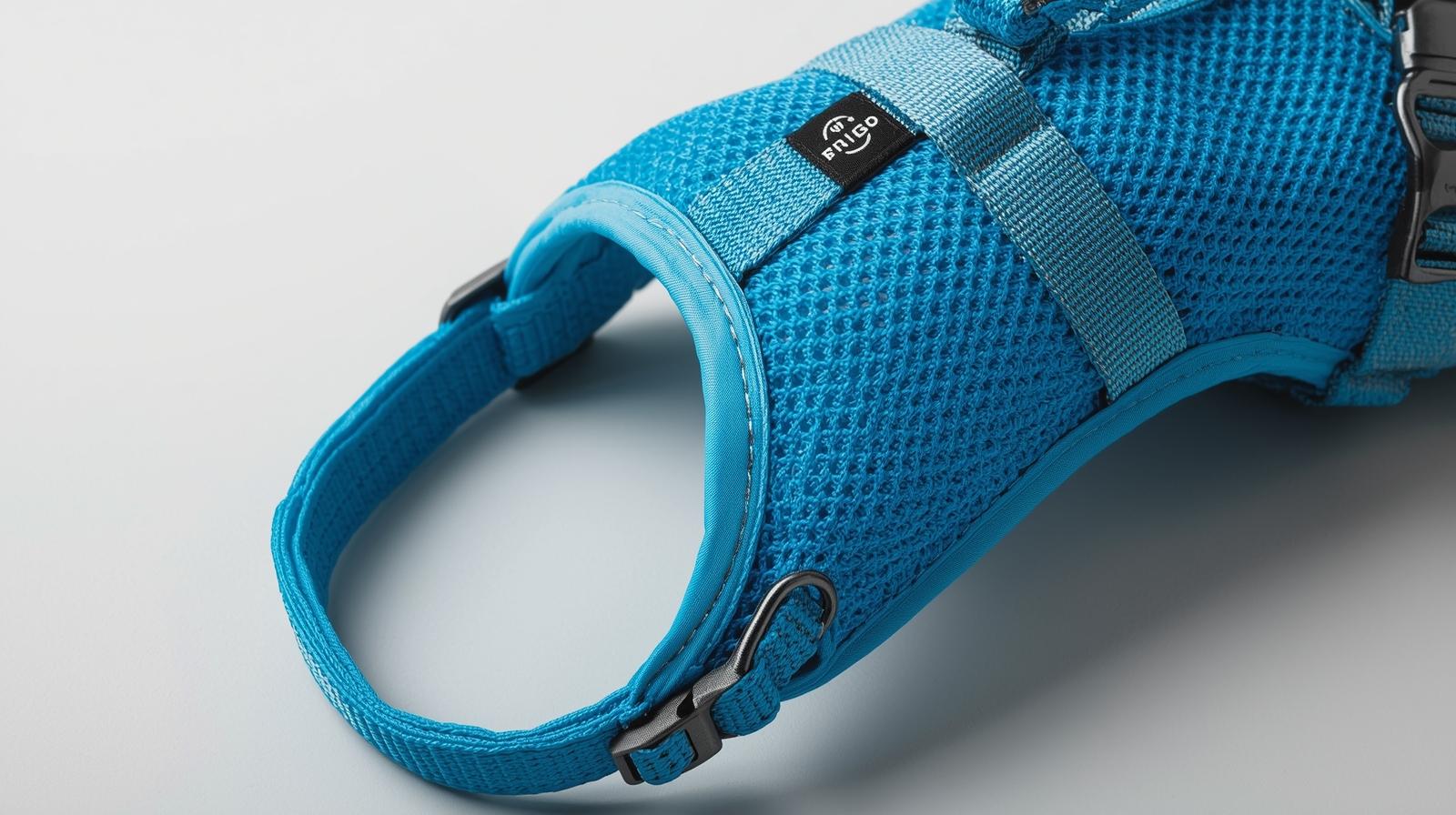
Many harnesses use mesh fabrics but still trap heat due to layered construction or dense padding underneath. In real use, especially in warm climates or active scenarios, these products lead to overheating, sweating, and skin irritation.
In wholesale orders, these issues scale quickly, becoming one of the most common sources of negative feedback.
Heat and Moisture Build-Up Drives Returns
Dogs generate body heat continuously during movement. If a harness cannot dissipate heat and moisture effectively, users report discomfort, odor buildup, and longer drying times after washing.
These factors directly influence return rates, especially in markets with high humidity or outdoor usage frequency.
Technical Breakdown: What Defines True Breathability at the Factory Level
Airflow Channel Design Within the Harness Structure
Breathability is not only about fabric selection—it depends on how airflow moves through the harness. Professional breathable dog harness suppliers design internal airflow channels by controlling spacing between layers and reducing compression zones.
This allows continuous air circulation rather than trapping heat between padding and fabric layers.
Material Permeability and Layer Interaction
Different materials contribute differently to breathability. Outer mesh layers, inner lining fabrics, and padding structures must be matched to allow vapor transmission while maintaining strength.
Factory-level programs define permeability ranges for each layer to ensure that moisture is released efficiently without compromising durability.
Moisture Evaporation and Drying Performance
In breathable harness systems, drying speed is a measurable performance indicator. Materials with faster evaporation rates reduce odor retention and improve user experience after washing or outdoor exposure.
Stable suppliers test drying behavior across batches to ensure consistency in real use conditions.
Market Comparison: Generic Breathable Harness vs Engineered Breathability System
| Breathability Metric | Generic “Mesh” Harness | Engineered Breathable Harness |
|---|---|---|
| Air permeability rate (mm/s airflow) | 200–350 mm/s | 500–800 mm/s |
| Moisture vapor transmission (MVTR) | 2,000–3,500 g/m²/24h | 5,000–8,000 g/m²/24h |
| Surface temperature under activity (10 min) | +3.5–5.0°C increase | +1.5–2.5°C increase |
| Drying time after full wash | 6–10 hours | 2–4 hours |
| Heat-related complaint rate | 10–16% | Reduced to 4–7% |
| Batch consistency of materials | Variable | Controlled and repeatable |
这些差异在高温、高湿或高活动场景下尤为明显。
Differentiation by Dog Breed and Usage Environment
Breathability Needs for Different Dog Types
Small dogs and low-activity companion breeds generate less heat but are more sensitive to trapped warmth due to body size. Larger and more active dogs produce significantly more heat and require higher airflow capacity and moisture management.
A professional breathable dog harness supplier defines different ventilation structures and material combinations based on dog size and activity level.
Indoor vs Outdoor Breathability Requirements
Indoor or short-walk scenarios prioritize lightweight airflow and quick-drying comfort, while outdoor and long-duration use require higher durability combined with sustained breathability under load.
Wholesale programs that support environment-based differentiation maintain separate breathable design standards for indoor and outdoor product lines.
Structural Design Strategies That Improve Breathability at Scale
Reducing Compression Zones
Areas where straps overlap or padding is compressed tend to trap heat. Engineered breathable harnesses minimize these zones or redesign them to maintain airflow continuity.
Balancing Strength and Ventilation
Increasing airflow often reduces material strength if not properly managed. Professional suppliers balance mesh openness, reinforcement placement, and structural support to maintain both durability and breathability.
FAQ: Practical Questions from Buyers
Q: Does mesh automatically mean a harness is breathable?
A: No. Breathability depends on overall structure, layer interaction, and airflow design, not just the outer fabric.
Q: Is breathable design important for all markets?
A: It is especially critical in warm and humid regions, but also affects comfort and drying performance in all environments.
Q: Can breathable harnesses maintain durability?
A: Yes, when airflow design is balanced with reinforced structure and material selection.
Conclusion: Breathability Is a Structural System, Not a Fabric Choice
In wholesale dog harness programs, breathability determines whether products remain comfortable during real use or become a source of complaints and returns. True breathability is engineered through airflow design, material control, and consistent manufacturing standards.
As a specialized breathable dog harness supplier, Sixpet develops harness systems that combine airflow efficiency, moisture control, and structural durability, helping brands deliver products that perform consistently across climates and usage scenarios.
If you’d like to explore our breathable dog harness designs, materials, and application profiles, you can visit our official website:
👉 https://www.sixpet.com/
If you are planning a wholesale or OEM program and want to discuss breathable structure design, material selection, or production timelines, our team is ready to support you directly:
👉 https://www.sixpet.com/contact-us