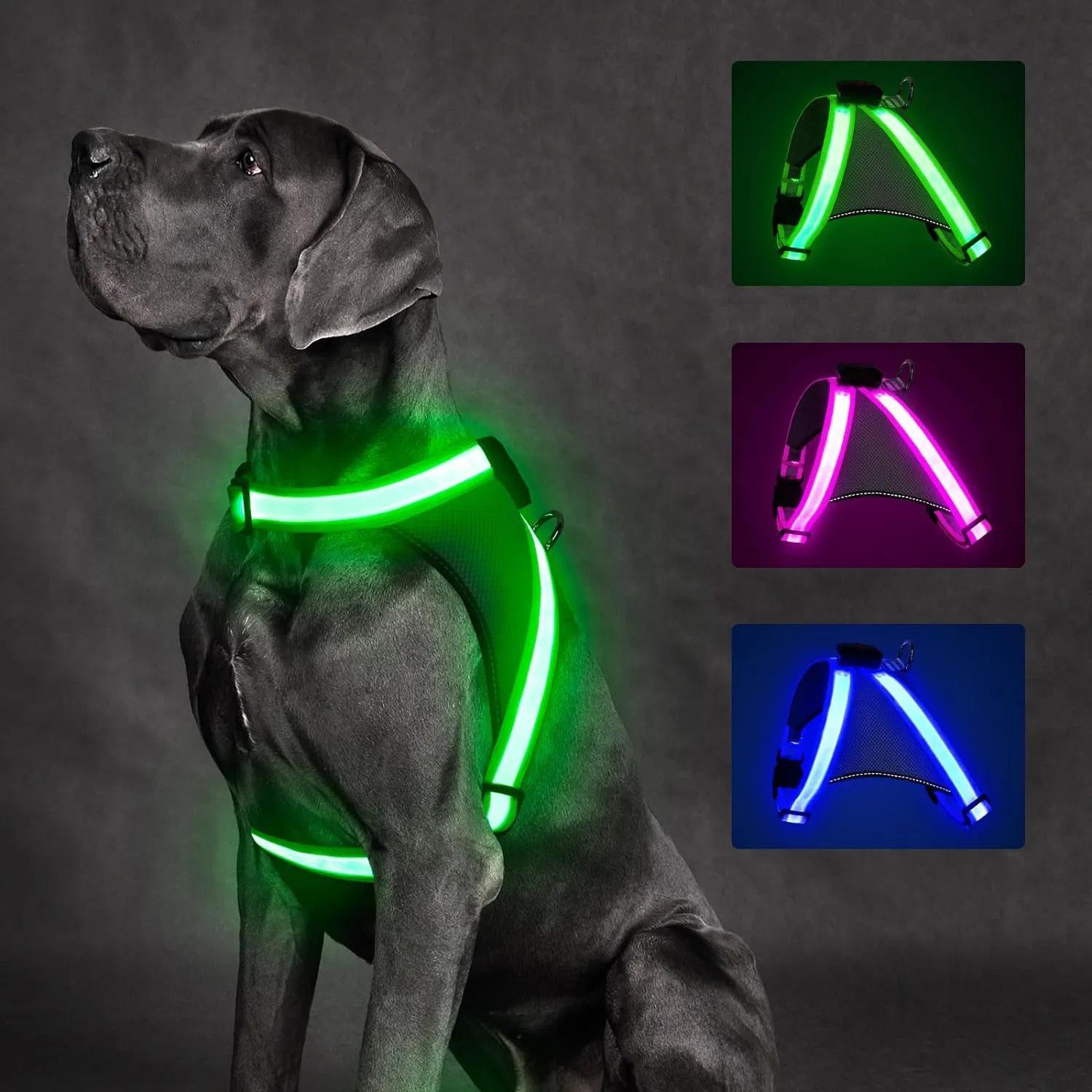
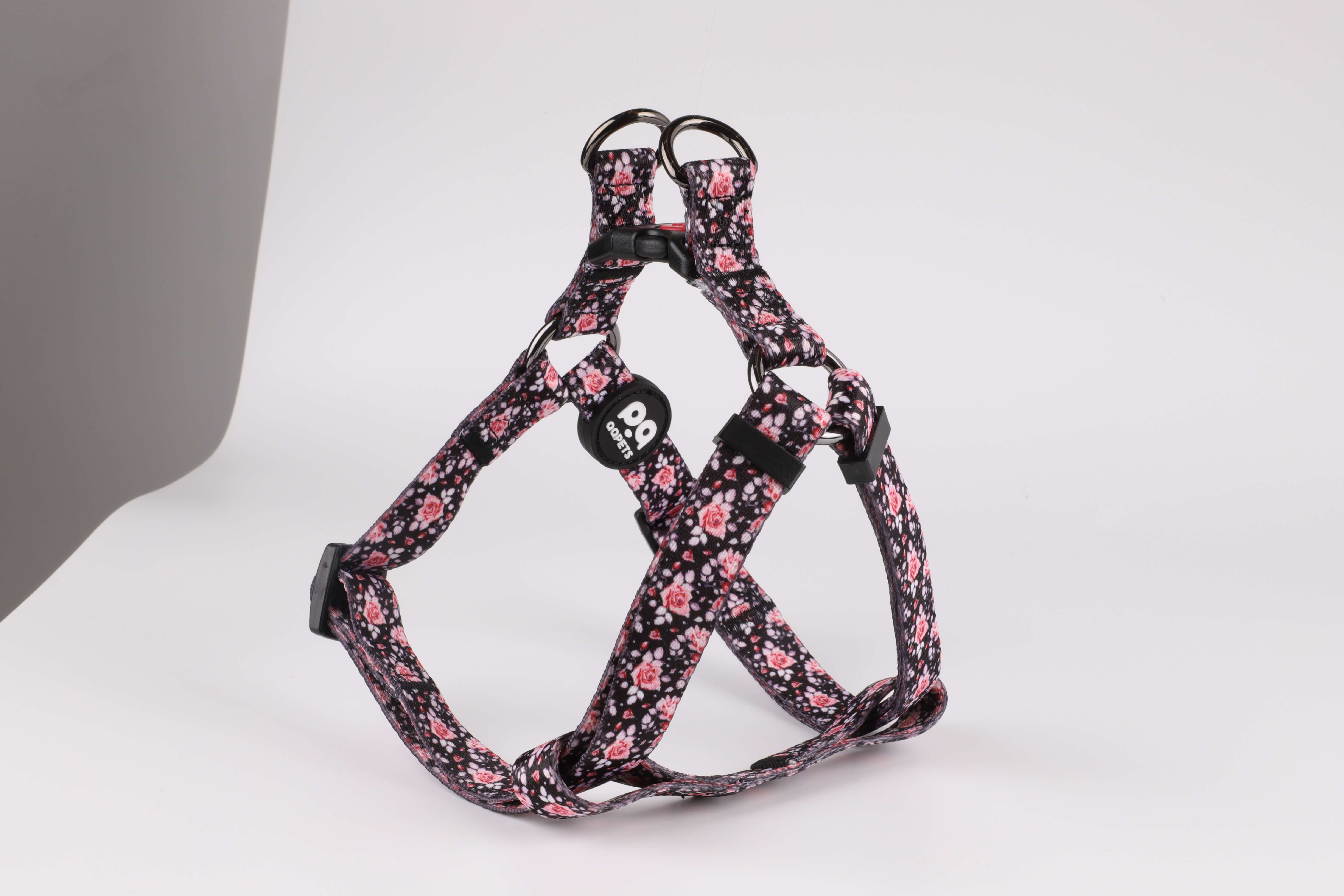
For brands operating at wholesale scale, returns are rarely caused by a single obvious defect. Instead, they are the cumulative result of small, repeated inconsistencies in sizing, materials, and assembly execution. A stable wholesale dog harness supply addresses these issues structurally, allowing brands to reduce total return-related costs by 20% or more across multiple reorder cycles.
Problem Insight: Why Return Costs Rise as Wholesale Volume Increases
Returns Are a Supply-System Problem, Not a Customer Problem
In wholesale dog harness programs, returns are often misattributed to customer behavior or market variance. In reality, most returns trace back to supply instability—products that look identical but behave differently across batches.
At small volumes, these differences are absorbed quietly. At wholesale scale, the same inconsistencies repeat across hundreds or thousands of units, turning minor deviations into measurable financial losses.
Scaling Turns Minor Deviations into Predictable Losses
A 1–2 cm variance in chest strap length, a subtle padding density change, or a different buckle batch may not trigger alarms in trial orders. Once scaled, these variations create systematic issues: poor fit feedback, comfort complaints, and durability concerns.
This is why many brands see return costs increase after sales grow, not before.
Technical Breakdown: How Supply Stability Directly Reduces Returns
Stable Sizing Architecture Eliminates Fit Drift
Stable wholesale dog harness supply begins with fixed sizing architecture. This means defined measurement reference points, controlled tolerance ranges, and consistent adjustment allowances across all production runs.
When sizing logic is stable, customers experience predictable fit behavior regardless of order timing or color variation. This alone removes one of the largest drivers of online return requests.
Material Consistency Prevents Performance Complaints
Material changes are one of the most common hidden causes of returns. Differences in webbing stiffness, padding compression recovery, or hardware coating affect comfort and durability—even if products appear visually identical.
Stable supply programs lock material specifications and enforce traceability. As a result, performance remains consistent across seasons and batches, reducing complaints related to wear, irritation, or unexpected failure.
Repeatable Assembly Standards Reduce Quality Drift
In unstable supply chains, assembly quality depends heavily on individual operators or workshop conditions. Over time, reinforcement placement and stitching density drift, leading to uneven load handling.
Stable wholesale programs standardize reinforcement logic and assembly procedures, ensuring that every unit performs within the same structural expectations. This consistency directly correlates with lower defect-related returns.
Market Comparison: Return Cost Behavior Over Time
| Cost Factor | Unstable Wholesale Supply | Stable Wholesale Supply |
|---|---|---|
| Size-related return frequency | Increases with volume | Remains controlled |
| Performance complaints | Recurring | Isolated |
| Batch-to-batch consistency | Variable | Predictable |
| After-sales handling cost | Escalating | Contained |
| Total return cost impact | Often exceeds 20% | Reduced by 20%+ |
Brands that transition to stable wholesale dog harness supply consistently report measurable reductions in return-related expenses after specification control is implemented.
Product Differentiation by Dog Breed and Size Variations
Breed-Specific Fit Logic Reduces Functional Mismatch
Different dog breeds present fundamentally different body structures. Chest depth, neck-to-torso ratio, shoulder width, and pulling behavior vary significantly between small breeds, medium working dogs, and large active dogs.
A stable wholesale dog harness program addresses this by applying breed- and size-based sizing logic, rather than relying solely on generic S–M–L grading. Strap angles, adjustment ranges, and load distribution zones are optimized to match real anatomical differences. This reduces common issues such as harness rotation, pressure concentration, and restricted movement—key factors behind size-related returns.
Structural Design Adjustments for Pulling Behavior
Dogs with strong pulling tendencies require different structural reinforcement than companion breeds primarily used for casual walking. Wholesale programs that support scalable differentiation adjust reinforcement density, stitching patterns, and hardware load ratings based on target breed groups.
By aligning structure with behavior, brands can offer harness products that perform consistently across different dog types without increasing return risk.
Differentiation for Indoor and Outdoor Usage Scenarios
Indoor-Oriented Harness Design Considerations
Harnesses intended primarily for indoor use or short urban walks prioritize lightweight construction, flexibility, and ease of adjustment. Softer padding, lower-profile hardware, and smoother webbing edges improve comfort during extended wear in controlled environments.
Stable wholesale supply ensures these material and structural choices remain consistent across batches, preventing unexpected stiffness or discomfort that often leads to returns.
Outdoor and High-Exposure Environment Adaptation
Outdoor-focused harnesses face very different demands, including moisture exposure, abrasion, temperature variation, and higher tensile loads. For these scenarios, differentiation involves reinforced webbing, higher-density padding with moisture resistance, and corrosion-resistant hardware.
Wholesale programs that support environment-specific customization maintain separate specification standards for indoor and outdoor product lines, ensuring each performs reliably under its intended conditions.
Customization Strategy: Scaling Differentiation Without Losing Stability
Controlled Customization Based on Application Profiles
Rather than offering unlimited customization, scalable wholesale dog harness programs define application profiles—such as small indoor companion dogs, medium urban walkers, or large outdoor-active breeds. Each profile has fixed sizing logic, material standards, and reinforcement rules.
This approach allows brands to expand product lines logically while preserving consistency and reducing return-related risk.
FAQ: Practical Questions from Buyers
Q: Is reducing return costs by 20% realistic in wholesale programs?
A: Yes. Brands that eliminate sizing drift and material inconsistency typically see cumulative reductions of 20% or more over several reorder cycles.
Q: Does stable supply limit flexibility for OEM projects?
A: No. Stability enables controlled flexibility by ensuring all changes are repeatable and documented.
Q: When should brands prioritize supply stability?
A: As soon as they move beyond trial orders into repeat wholesale purchasing.
Conclusion: Return Cost Control Starts with Supply Discipline
Return costs in wholesale dog harness programs are not accidental. They are the predictable outcome of unstable sizing, materials, and execution. Stability at the supply level transforms returns from a growing liability into a manageable variable.
As a specialized supplier focused on stable wholesale dog harness supply, Sixpet helps brands establish repeatable sizing systems, controlled materials, and disciplined OEM execution. This enables long-term growth while protecting margins and customer satisfaction.
If you want to review our wholesale dog harness programs, materials, and application scenarios, you can visit our official website:
👉 https://www.sixpet.com/
If you are assessing current return costs or planning to scale wholesale volume and want to discuss specification control, OEM coordination, or production planning, our team is ready to support you directly:
👉 https://www.sixpet.com/contact-us